








What's Happening?
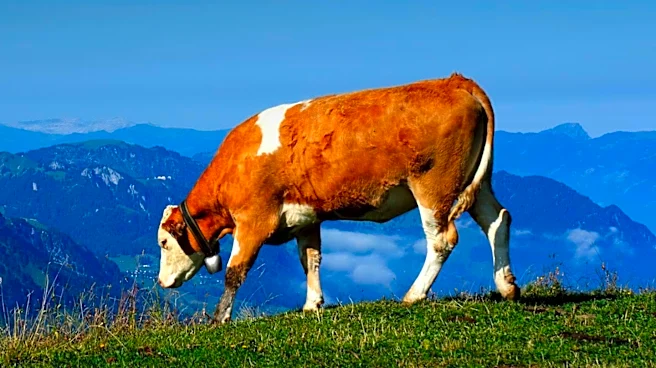
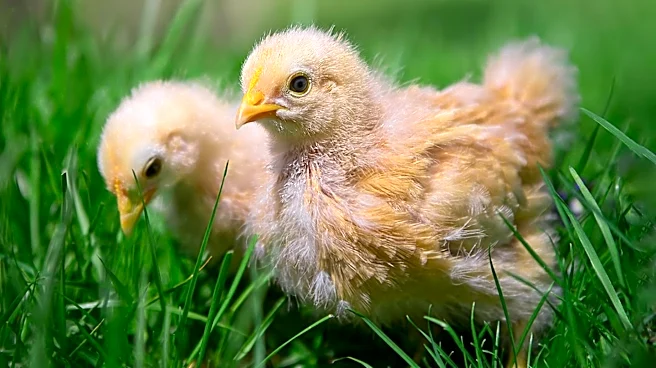
A significant increase in global livestock farming since 2006 has led to a 50% rise in the number of farmed mammals and poultry, according to a report by Stop Financing Factory Farming. This surge has resulted in increased demand for cropland and water,
exacerbating land degradation and contributing to the climate crisis. The report highlights that emissions from livestock have grown by over 20% between 2001 and 2023. The findings, which update the UN Food and Agriculture Organization's 2006 report 'Livestock’s Long Shadow', indicate that the expansion of livestock farming is putting immense pressure on natural systems, threatening wildlife and plant species. The use of fertilizers for animal feed production and the disposal of slurry are creating dead zones in seas, notably in the Gulf of Mexico.
Why It's Important?
The expansion of livestock farming has significant implications for environmental sustainability and biodiversity. The increased demand for resources to support livestock farming is leading to land degradation and water scarcity, which could have long-term impacts on food security and ecosystem health. The rise in greenhouse gas emissions from livestock further exacerbates climate change, posing challenges for global efforts to reduce carbon footprints. The report calls for a shift away from meat-heavy diets and urges development banks to reconsider their investment strategies in industrial livestock production. This shift is crucial for aligning financial flows with sustainable development goals and mitigating environmental damage.
What's Next?
The report suggests that a widespread dietary shift away from meat consumption is necessary to reverse the trend of environmental degradation. It also calls for development banks to stop financing factory farming and instead support sustainable agricultural practices. This could lead to policy changes and increased investment in alternative protein sources and sustainable farming methods. The findings may prompt governments and international organizations to implement stricter regulations on livestock farming and promote sustainable agricultural practices to protect biodiversity and combat climate change.