







What's Happening?
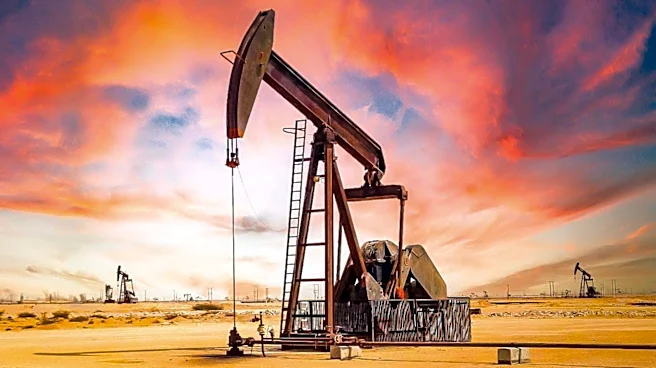
A new study published in the Nature magazine affiliate Communications Earth & Environment has identified 122 major oil, gas, coal, and cement companies as partially responsible for the worsening water shortages in the Western United States. The research,
conducted by scientists from the University of California at Merced and the Union of Concerned Scientists, found that climate change from all greenhouse gas emissions over the past 70 years has led to a 36% decline in annual average mountain snowpacks, a primary source of surface water in Western states. Approximately 40% of this decline is directly linked to the climate pollution generated by these 122 companies. The study also indicates a 13% reduction in average annual streamflows from mountains and a 4.3% increase in the need for agricultural irrigation due to global warming from greenhouse gas emissions. About half of these streamflow declines and increased irrigation needs are attributed to the warming caused by the identified companies, resulting in a 6% fall in streamflows in the region. The annual water loss attributable to these companies is equivalent to the full capacity of Lake Mead, the nation's largest reservoir.
Why It's Important?
This study is significant because it directly attributes a substantial portion of the Western U.S. water crisis to specific fossil fuel and cement producers, moving beyond general climate change discussions to pinpoint corporate responsibility. The Western U.S. relies heavily on mountain snowpack for its water supply, supporting a multibillion-dollar agriculture industry and providing water to cities and towns across 11 states. The decline in snowpack and streamflows exacerbates the region's historic megadrought, forcing farmers to increase groundwater pumping, leading to aquifer depletion and land subsidence. Cities like Corpus Christi, Las Vegas, Los Angeles, and Phoenix are already facing severe water shortages. By linking these impacts to specific entities, the study provides a scientific basis for potential legal and policy actions aimed at holding these companies accountable for climate damages and the associated economic and social costs borne by communities and states.
What's Next?
The findings of this study are expected to fuel ongoing legal and legislative efforts to hold major climate polluters accountable. Several states, including New York and Vermont, have already enacted climate superfund laws, requiring historical emitters to contribute to climate damage costs, and other states like California are considering similar legislation. While New York's law was recently challenged in court, the state plans to appeal. This research, part of a growing field of 'attribution science,' strengthens the case for governments and communities seeking financial resources to address damages from extreme weather events, wildfires, and floods intensified by climate change. The study's authors emphasize that while some climate changes are irreversible, there is still a choice to mitigate future warming by controlling emissions, suggesting continued pressure on these companies and policymakers for more aggressive climate action.
Beyond the Headlines
The study's ability to trace specific environmental impacts, such as water scarcity, to the emissions of a limited number of companies raises profound ethical and legal questions about corporate responsibility for climate change. It highlights the long-term consequences of decisions made decades ago, as the study authors note that major oil and gas companies were aware of the potential climate impacts of their products as early as the 1950s. This research could shift the narrative from a generalized climate crisis to one of specific accountability, potentially influencing investment decisions, corporate governance, and public perception of these industries. It also underscores the disproportionate burden placed on communities and states to adapt to climate impacts, while the entities contributing most significantly to the problem have historically resisted action. The implications extend to the future of energy policy, potentially accelerating the transition to renewable energy sources and fostering a more just distribution of climate-related costs.