






What's Happening?
France’s cybersecurity authority has issued a warning that a cyberattack targeting supermarket refrigeration systems may still be active. The attacks, which began in the early hours of Monday, remotely took control of refrigeration systems in approximately
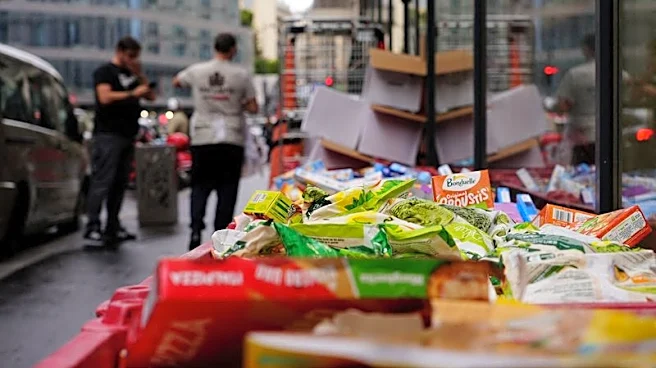
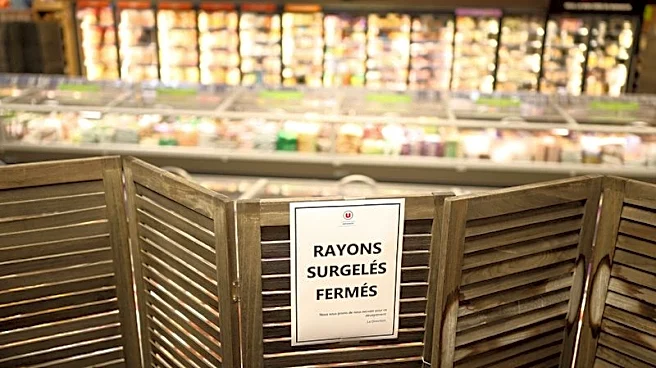
700 supermarkets across France, causing temperatures to soar to 122 degrees Fahrenheit for about six hours. This forced stores to discard significant amounts of fresh and frozen goods, with one chain, Intermarché, reporting losses of tens of millions of euros in a single day. The agency has advised affected stores to reconnect refrigerators to the internet only through secure VPN connections or protected networks, install firmware updates, and change passwords. A separate cybersecurity incident also affected a major supermarket chain in the Netherlands, disrupting deliveries and prompting system shutdowns as a precaution.
Why It's Important?
This cyberattack exposes critical vulnerabilities within modern food supply chains, particularly those reliant on internet-connected infrastructure and just-in-time delivery systems. The incident highlights the potential for significant economic disruption and food waste, impacting both businesses and consumers. The reliance on older, unpatched refrigeration management systems, some of which were directly accessible from the public internet, underscores a broader cybersecurity risk across various industries. The French Finance Minister, Roland Lescure, acknowledged that while there is no risk to France's overall food supplies, the attack 'touches the heart of our food security,' serving as a 'wake-up call for everyone.' This event emphasizes the urgent need for robust cybersecurity measures and regular system updates to protect essential services from malicious actors, whether they are state-sponsored or individual hackers.
What's Next?
Authorities in both France and the Netherlands are actively investigating the cyber incidents, though no perpetrators have been publicly identified, and no claims of responsibility have been made. The European Union’s police agency, Europol, is in contact with the affected countries. Cybersecurity experts are urging businesses, especially those with critical infrastructure, to prioritize security updates and implement stronger network protections. The incident is expected to prompt a reevaluation of cybersecurity protocols for industrial control systems and internet-of-things (IoT) devices in commercial settings. There may be increased pressure on manufacturers of such systems, like Danfoss and Copeland, to ensure their products are secure and receive ongoing support and updates, even for older models. The long-term implications could include stricter regulations for cybersecurity in critical infrastructure sectors.
Beyond the Headlines
The cyberattack on supermarket refrigeration systems reveals a deeper societal vulnerability to digital threats. Beyond the immediate financial losses and food waste, such incidents can erode public trust in the security of essential services and infrastructure. The attack underscores the interconnectedness of modern systems, where a vulnerability in one component, like a refrigeration unit, can have cascading effects across an entire supply chain. This event also brings to light the ethical considerations surrounding cybersecurity, particularly the potential for attacks to impact public welfare and safety. It highlights the ongoing challenge of balancing technological advancement and convenience with robust security measures, especially in an era where even seemingly innocuous devices can become targets for cyber warfare or disruption. The incident serves as a stark reminder that cybersecurity is not just an IT issue but a fundamental aspect of national security and economic stability.