




What's Happening?
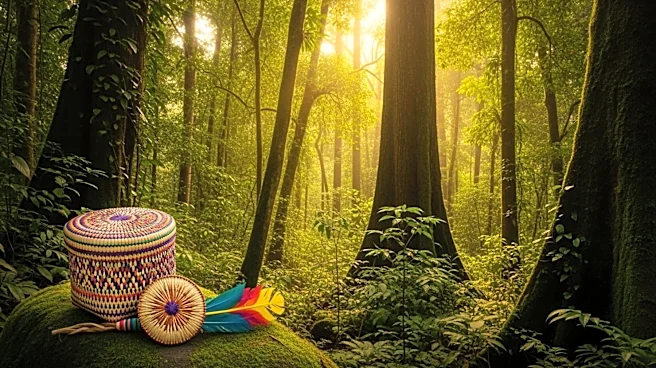
Wuzhishan City in Hainan, China, recently concluded its Rainforest Culture Week, an event designed to celebrate ethnic unity and cultural heritage. The festival, held from April 15 to 19, featured a variety of activities including the 'Miss Li · Hainan March
3rd Water Village Show' and a grand parade with ten thousand participants. The event utilized the natural landscape of the Nantian Shengshui Scenic Area, transforming it into a stage for performances that integrated ethnic culture with the environment. Highlights included a water stage debut, a riverside long table banquet, and a ten thousand-person parade. The festival aimed to blend intangible cultural heritage with modern elements like fashion and technology, showcasing the unique cultural and ecological resources of Wuzhishan.
Why It's Important?
The Rainforest Culture Week is significant as it highlights the integration of cultural tourism with ethnic unity, promoting the preservation and innovative development of traditional cultures. By leveraging its ecological and cultural assets, Wuzhishan City aims to enhance its cultural tourism brand, attracting visitors and boosting the local economy. The event also serves as a platform for cultural exchange and unity among different ethnic groups, fostering a sense of community and shared identity. This approach not only preserves cultural heritage but also adapts it to contemporary contexts, ensuring its relevance and appeal to new generations.
What's Next?
Wuzhishan City plans to continue developing its cultural tourism initiatives, focusing on the integration of intangible cultural heritage with modern tourism practices. Future events will likely build on the success of the Rainforest Culture Week, further enhancing the city's reputation as a cultural tourism destination. The city aims to create more immersive and innovative cultural experiences that promote ethnic unity and attract a diverse range of visitors. This ongoing effort will contribute to the city's economic development and cultural preservation, positioning it as a model for cultural tourism integration.