






What's Happening?
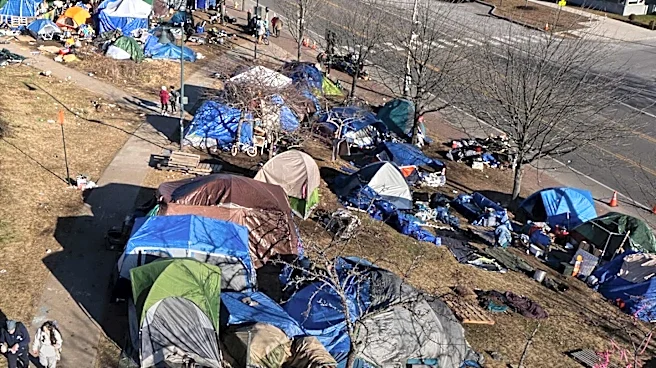
The Bangor City Council has approved a property tax reimbursement plan to support the development of a 30-unit permanent supportive housing facility for homeless residents. The project, known as Yellen Pines, will be located on Corporate Drive and aims
to provide studio apartments with 24/7 on-site services for individuals who have been chronically homeless. The council's decision includes a tax increment financing district and a credit enhancement agreement, allowing the city to reimburse 75% of the property taxes paid by the facility over a 30-year period. This financial arrangement is crucial for bridging a funding gap of over $1 million, enabling the project to proceed. Despite some community opposition citing concerns over tax revenue loss and the project's cost, the council voted 6-3 in favor of the agreement. The project is primarily funded by a state grant, with additional support from housing vouchers and state revenue from the real estate transfer tax.
Why It's Important?
The approval of the tax reimbursement plan is a significant step in addressing homelessness in Bangor. By facilitating the construction of Yellen Pines, the city aims to provide stable housing and essential services to its homeless population, potentially reducing the strain on local law enforcement and emergency services. The project aligns with broader efforts to implement the Housing First model, which prioritizes providing permanent housing as a foundation for addressing other issues such as health care and substance use. The decision reflects a commitment to long-term solutions for homelessness, despite some public resistance. The project's success could serve as a model for other communities facing similar challenges, highlighting the importance of innovative funding mechanisms and public-private partnerships in tackling social issues.
What's Next?
With the tax agreement in place, the next steps involve finalizing the project's financing and beginning construction, with an expected completion date by the end of 2027. The city will continue to monitor the project's progress and its impact on the community. As the facility becomes operational, it will be crucial to assess its effectiveness in reducing homelessness and improving residents' quality of life. The city may also explore additional supportive housing projects, as indicated by the state funding awarded for a second facility. Ongoing community engagement and transparent communication will be essential to address concerns and ensure the project's success.