



What's Happening?
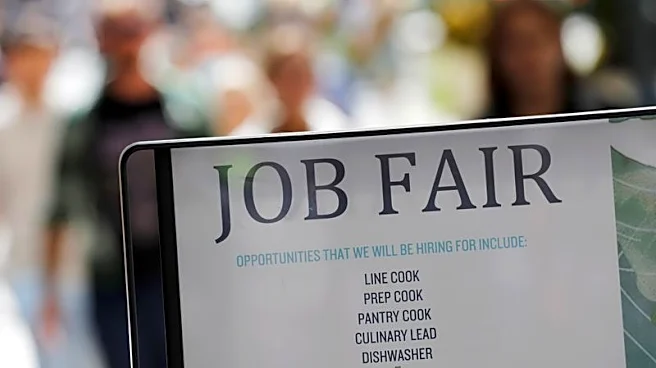
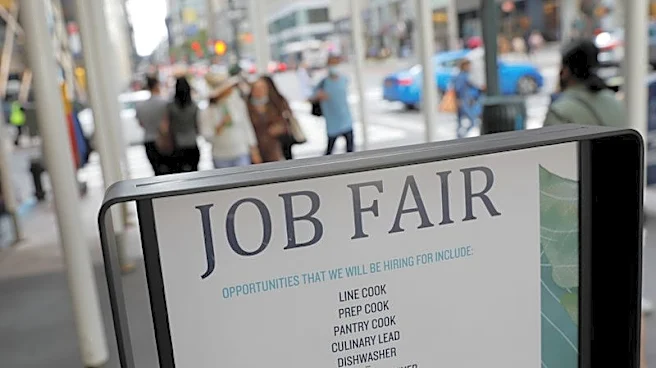
The U.S. labor market showed signs of weakening in July as employers cut 23,000 jobs, according to a report from the Labor Department. This unexpected decline follows revised lower job gains for May and June. The unemployment rate fell to 4.1%, but this
was largely due to over 260,000 people leaving the workforce. The job cuts were most pronounced in the retail and restaurant sectors, while healthcare added jobs at a slower pace. The report highlights growing worker anxiety about job security and stagnant wages, which have not kept pace with inflation.
Why It's Important?
The weakening labor market poses challenges for the Federal Reserve, which is already grappling with inflation concerns. A less stable job market may prompt the Fed to reconsider its approach to interest rate hikes, as raising rates could further strain economic recovery. For workers, the combination of job insecurity and rising living costs exacerbates financial pressures, potentially leading to reduced consumer spending. This development could have broader implications for economic growth, as consumer spending is a key driver of the U.S. economy. Policymakers and businesses will need to address these labor market challenges to ensure a sustainable recovery.