





What's Happening?
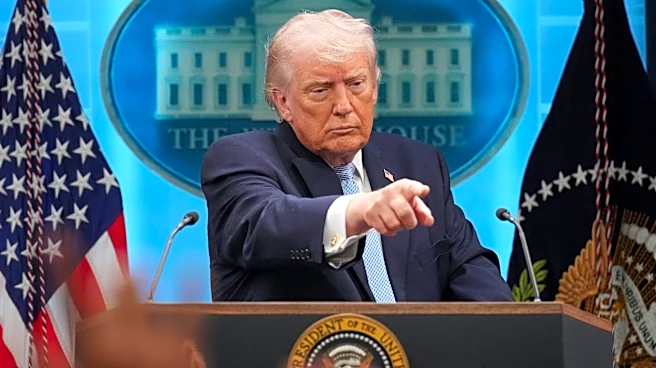
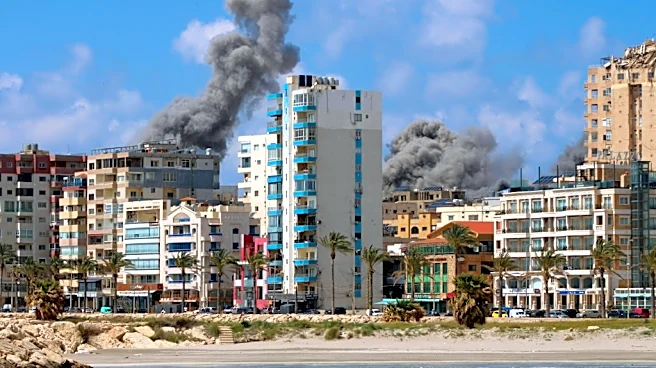
A ceasefire has been announced between the U.S. and Iran, effective April 8, following a period of intense military operations in the Middle East. The operations, named Roaring Lion and Epic Fury, were launched by Israel and the U.S. with the aim of regime
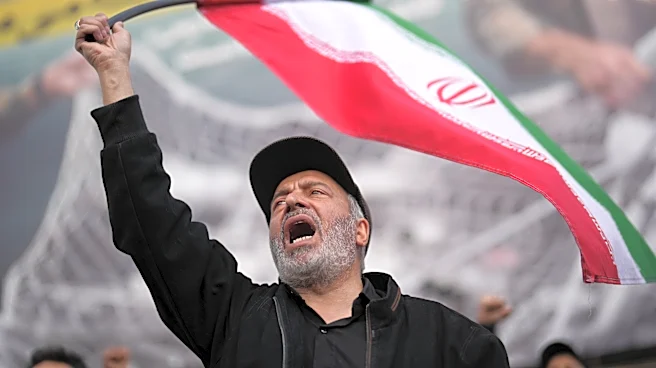
change in Iran. The conflict has resulted in significant casualties, including the death of Ayatollah Ali Khamenei and several Iranian military leaders. Iran has retaliated with missile attacks across the region, causing further casualties. The ceasefire is seen as a temporary measure to halt hostilities and open the door for diplomatic negotiations.
Why It's Important?
The ceasefire is a critical development in the ongoing conflict in the Middle East, which has seen significant military engagement and loss of life. The operations have had a profound impact on regional stability, with potential implications for global security and economic interests. The ceasefire provides an opportunity for diplomatic efforts to address the underlying causes of the conflict, including Iran's nuclear ambitions and regional influence. The outcome of these negotiations could shape the future of U.S. foreign policy in the Middle East and influence the geopolitical landscape of the region.
What's Next?
The ceasefire sets the stage for potential peace talks between the U.S. and Iran, with international mediators likely to play a role in facilitating negotiations. The focus will be on addressing key issues such as Iran's nuclear program, regional influence, and the reopening of the Strait of Hormuz. The international community will be closely monitoring the situation, with the hope that the ceasefire will lead to a lasting resolution. However, the potential for renewed hostilities remains if negotiations fail to produce a satisfactory outcome for all parties involved.