









What's Happening?
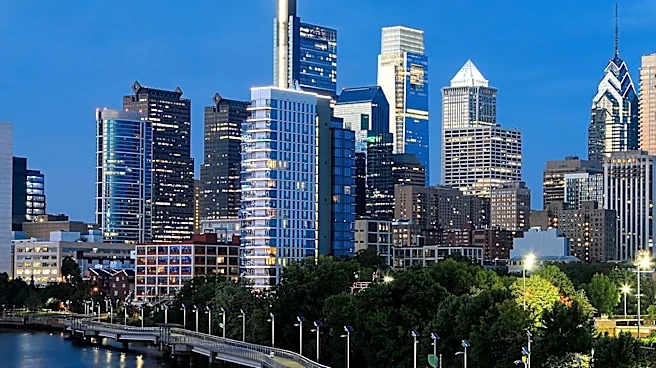
Philadelphia is experiencing a unique demand pattern for the 2026 World Cup, with international bookings for June and July surpassing previous years. The city, located within a highly interconnected transportation corridor, is seeing a diverse range of
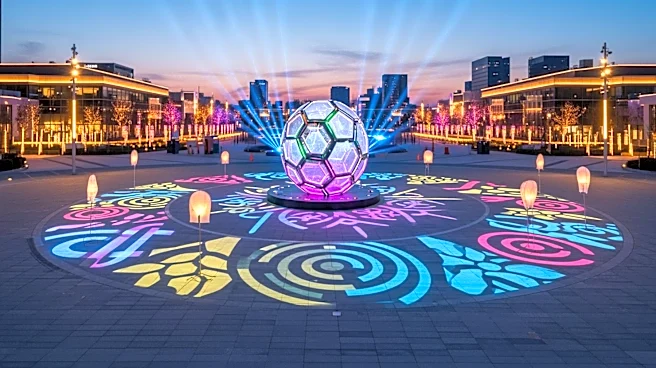
travel behaviors from international visitors. Many fans are arriving through Philadelphia International Airport, a major transatlantic hub, and are utilizing the Northeast Corridor's extensive rail and road networks. The demand is not solely concentrated in traditional hotel bookings; instead, there is significant interest in short-term rentals, particularly those accommodating larger groups and families. This trend reflects the diverse travel patterns of international soccer fans, who often travel in groups and stay with family or friends. Philadelphia is also preparing for fans who may not have match tickets but are drawn to the communal experience of the World Cup, with plans for a FIFA Fan Festival and related programming.
Why It's Important?
The demand patterns in Philadelphia underscore the complexity of hosting a global event like the World Cup. Traditional metrics, such as hotel occupancy, may not fully capture the diverse ways in which fans engage with the event. Understanding these patterns is crucial for cities to effectively plan and cater to the needs of international visitors. Philadelphia's approach, which includes accommodating group travel and providing communal spaces for fans, highlights the importance of flexibility and inclusivity in event planning. This strategy not only enhances the visitor experience but also maximizes the economic benefits for the city by attracting a broader range of tourists.
Beyond the Headlines
Philadelphia's experience with the World Cup could influence how future events are measured and planned. The emphasis on communal experiences and group travel may lead to a reevaluation of how demand is assessed, moving beyond traditional metrics to include a wider array of travel behaviors. This shift could have long-term implications for the tourism and hospitality industries, encouraging more inclusive and adaptable strategies. Additionally, the focus on creating a vibrant fan experience outside of the stadiums may set a precedent for other host cities, emphasizing the cultural and social dimensions of international sporting events.