




What's Happening?
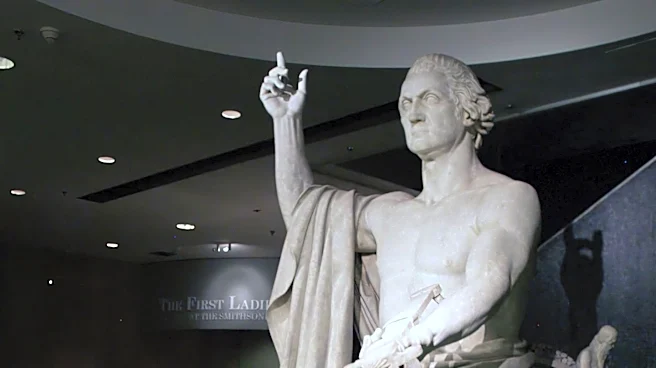
President Trump has signed an executive order aimed at changing the narrative presented by the Smithsonian National Museum of American History. The order mandates the installation of new signs outside the museum, warning visitors about alleged inaccuracies
in the exhibits, which Trump refers to as 'Ideological Capture.' This move follows a report from the White House Domestic Policy Council accusing the museum of promoting a radical view of American history. The Smithsonian, known for its extensive collection and diverse exhibits, has been a focal point for understanding America's complex past. Trump's actions are part of a broader effort to reshape how American history and culture are perceived, a strategy that has drawn comparisons to past presidential interventions, though none as extensive as Trump's.
Why It's Important?
This executive order is significant as it reflects President Trump's ongoing efforts to influence public perception of American history. By challenging the narratives presented in national museums, Trump is attempting to align historical interpretation with his political agenda, which could have lasting impacts on public education and cultural understanding. The Smithsonian's role in educating the public about diverse historical experiences is crucial, and altering its narrative could affect how future generations understand America's past. This move may also deepen political divides, as it touches on sensitive issues of race, identity, and national memory, potentially affecting how Americans view their history and identity.
What's Next?
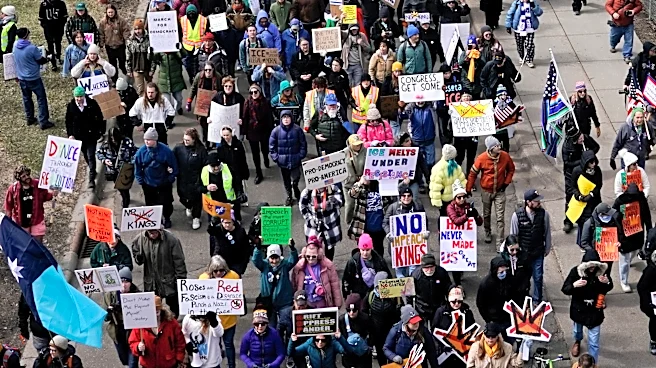
The implementation of this executive order could lead to significant changes in how the Smithsonian presents its exhibits. There may be pushback from historians, educators, and civil rights groups who value the museum's current approach to presenting a comprehensive view of American history. The order could also prompt legal challenges or public protests, as stakeholders debate the appropriateness of political influence over historical narratives. Additionally, this action might set a precedent for future administrations to further politicize cultural institutions, impacting their independence and educational missions.