
What's Happening?
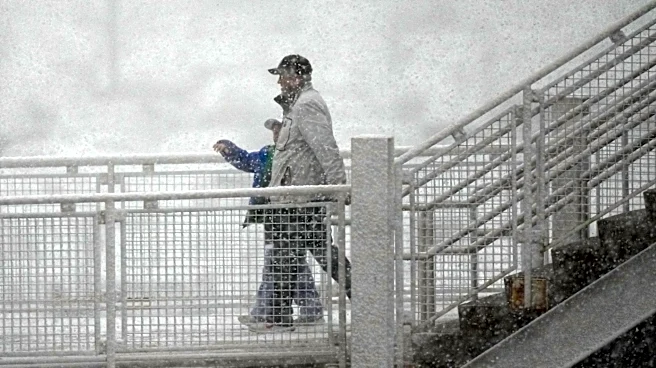
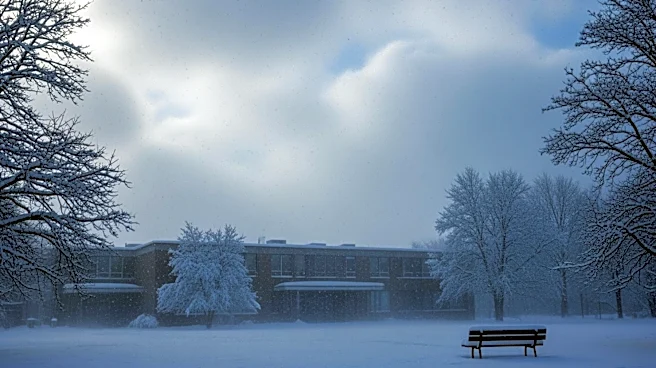
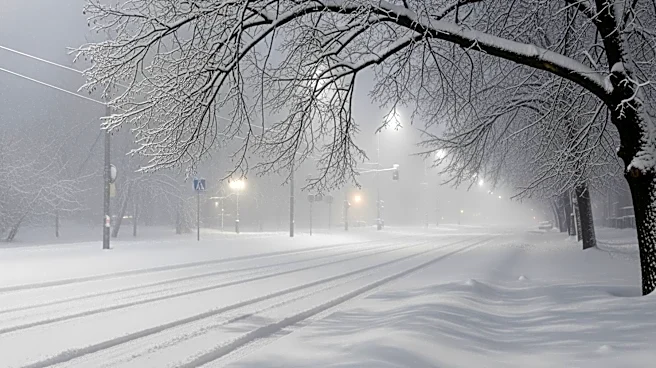
A significant snowstorm has hit the Denver metro area, transitioning from rain to heavy snow on Tuesday evening. The temperature in Denver was recorded at 34 degrees Fahrenheit, causing the snow to initially
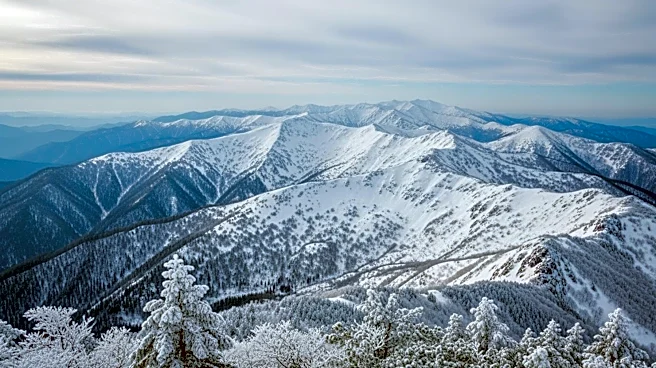
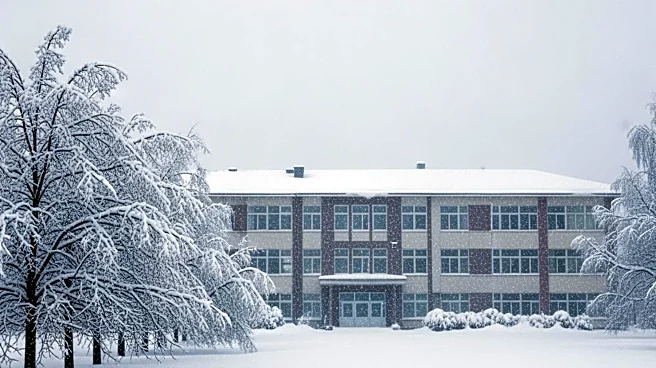
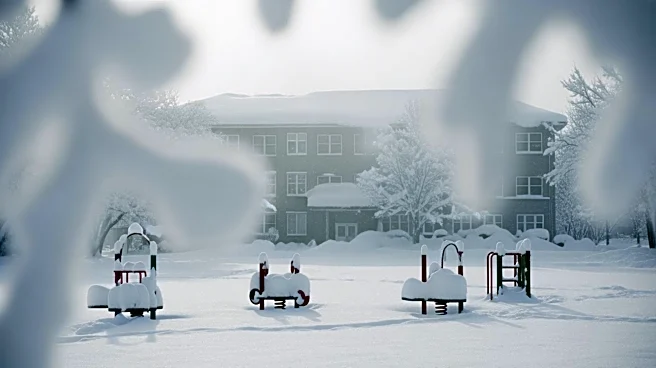
not stick to roads. However, as temperatures drop overnight, road conditions are expected to worsen. The storm has already led to slick roads, particularly affecting areas near the foothills. A jack-knifed semi-truck on Interstate 70 near the Evergreen Parkway caused significant delays for commuters. In response to the adverse weather conditions, Denver Public Schools and Aurora Public Schools announced closures for Wednesday, with other districts in Colorado's Front Range following suit. The storm is expected to bring 3 to 6 inches of snow to Denver, with heavier accumulations in the northern and central mountains. Estes Park has already recorded 20 inches of snow, and Rabbit Ears Pass over a foot. The Colorado Department of Transportation has deployed about 100 snowplows in the Denver region to manage the situation.
Why It's Important?
The snowstorm is impacting daily life in Denver and surrounding areas, with significant implications for transportation and education. School closures affect thousands of students and parents, disrupting routines and potentially impacting learning. The travel disruptions, including road closures and delays at Denver International Airport, could have economic repercussions, affecting businesses reliant on timely deliveries and travel. The storm also highlights the challenges of weather-related preparedness and response, as the Colorado Department of Transportation did not pre-treat roads due to prior warm conditions. This event underscores the importance of adaptive strategies in weather forecasting and infrastructure management to mitigate the impact of sudden weather changes.
What's Next?
As the storm progresses, further snow accumulation is expected, particularly in mountainous regions. Freeze warnings and watches will be in effect across many areas of Colorado following the storm. The Colorado Department of Transportation will continue to manage road conditions with snowplows, and travelers are advised to exercise caution. The aftermath of the storm may prompt discussions on improving weather preparedness and response strategies, particularly in handling rapid weather transitions. Schools and businesses will need to assess conditions for safe reopening, and the community will likely focus on recovery and returning to normalcy.