









What's Happening?
The Decatur Public Transit System (DPTS) in Decatur, Illinois, has released a 'Fixed-Route Passenger Guide' to inform riders about its bus services. The guide outlines the procedures for using the fixed-route buses, which only pick up passengers at designated
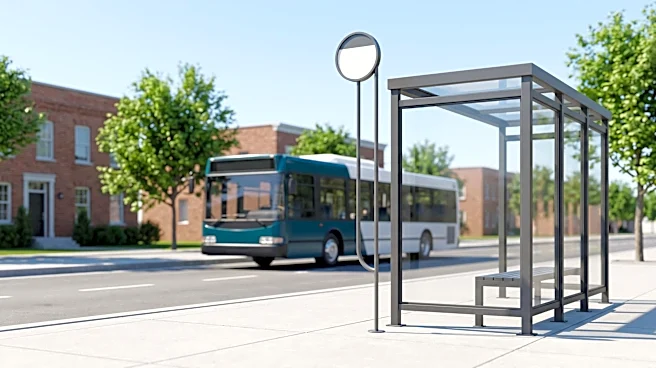
bus stops marked by DPTS signs, transit shelters, or benches. Buses will not make unscheduled 'flag stops.' The guide emphasizes the importance of posted stops for better visibility for operators, safer boarding areas away from obstructions, and maintaining reliable route times. It details a five-step process for riders: planning their trip using resources like Google Maps or calling dispatch, arriving early at a posted stop, checking the route name before boarding, paying the $1 adult fare (with options for reduced or free fares), and requesting their stop before their destination. DPTS fixed-route service operates from 5:15 AM to 8:15 PM, and all buses are equipped with ramps to accommodate wheelchairs.
Why It's Important?
This guide is important for enhancing the efficiency, safety, and accessibility of public transportation in Decatur, Illinois. By clearly defining the boarding process and emphasizing the use of posted stops, DPTS aims to streamline operations, reduce delays, and ensure a more predictable service for all passengers. The focus on safer boarding areas directly addresses potential hazards, improving the overall rider experience and minimizing risks. Furthermore, the explicit mention of wheelchair accessibility underscores the system's commitment to inclusivity, ensuring that individuals with mobility challenges can utilize public transit effectively. For the community, a well-organized and reliable public transport system can reduce traffic congestion, lower carbon emissions, and provide essential mobility for residents who may not have access to private vehicles, thereby supporting local economic activity and social equity.
What's Next?
The Decatur Public Transit System will likely continue to promote the 'Fixed-Route Passenger Guide' through various channels to ensure widespread awareness among current and potential riders. This could involve distributing physical copies at transit hubs, maintaining its availability on the city's website, and potentially launching public awareness campaigns. DPTS may also monitor feedback from passengers and operators regarding the clarity and effectiveness of the guide's instructions to identify areas for future improvements. The consistent application of these guidelines by both passengers and bus operators will be crucial for realizing the intended benefits of improved service reliability and safety. Future updates to the guide might incorporate new technologies or service adjustments as the transit system evolves.
Beyond the Headlines
The implementation of a comprehensive passenger guide for fixed-route services reflects a broader trend in urban planning towards optimizing public transportation for efficiency and user experience. Beyond the immediate benefits of clearer instructions, such initiatives contribute to fostering a culture of shared responsibility between transit providers and passengers. By educating riders on proper procedures, DPTS is not only improving its service but also empowering passengers to be active participants in maintaining a smooth and safe transit environment. This approach can lead to increased public trust in the transit system, potentially boosting ridership and supporting the long-term sustainability of public transport as a vital urban utility. The emphasis on accessibility also highlights an evolving societal expectation for public services to cater to diverse needs, reinforcing the role of transit as a cornerstone of an inclusive community.