



What's Happening?
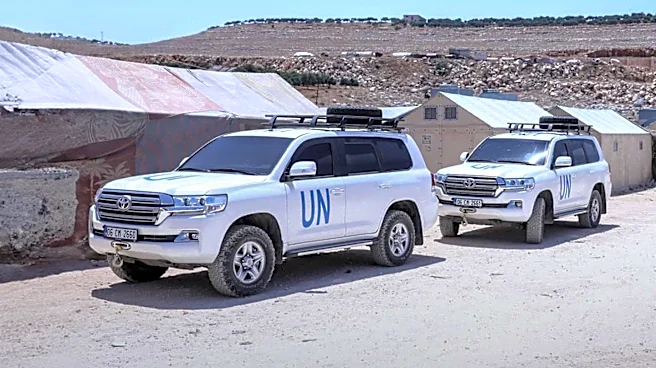
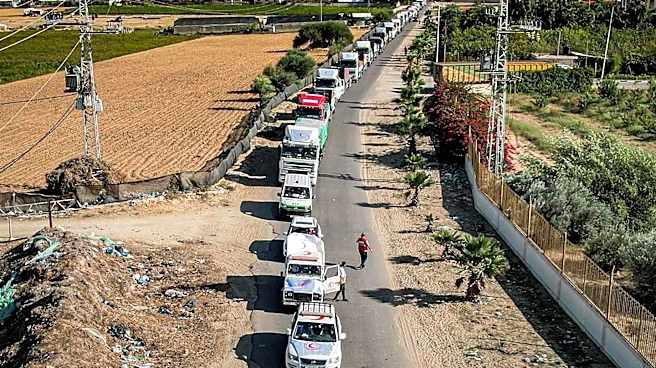
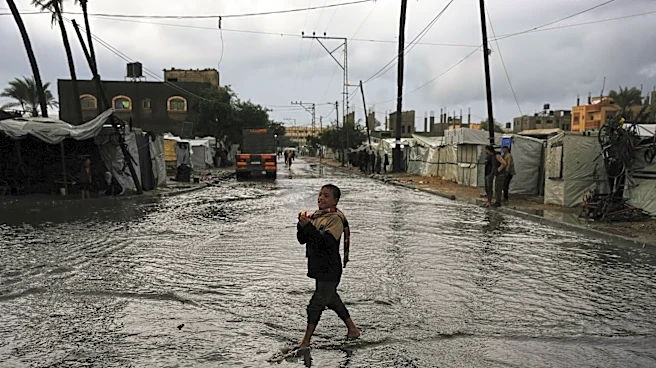
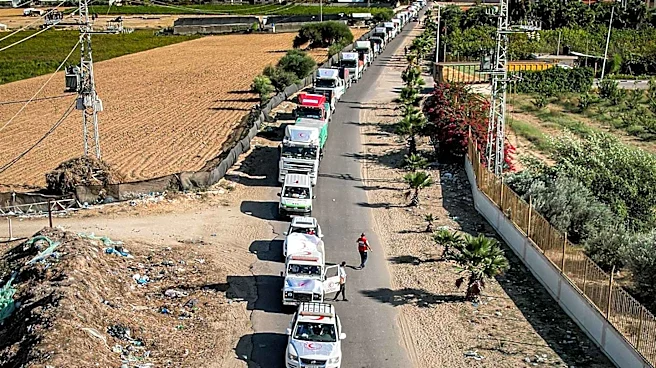
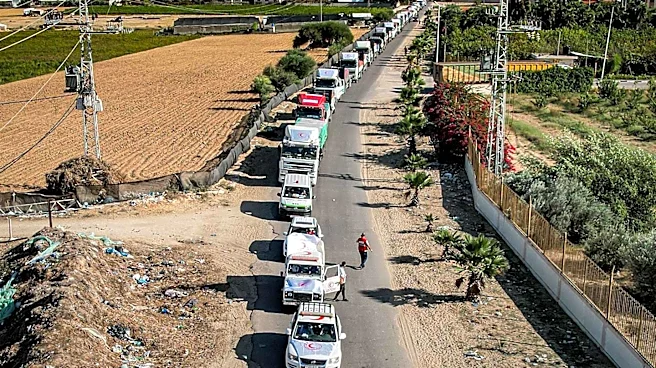
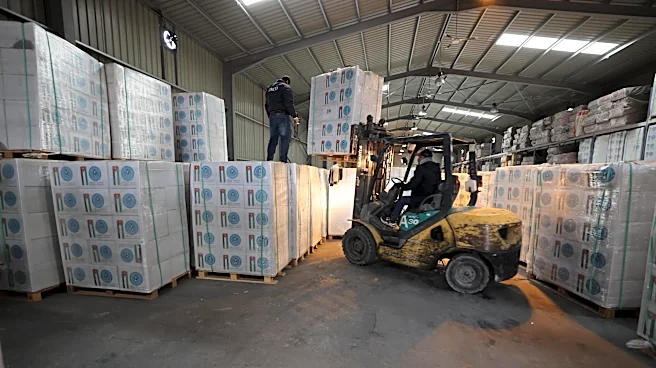
The IDF and the Coordinator of Government Activities in the Territories (COGAT) have announced that more than 91,000 tents and over 8,200 trucks carrying winter supplies have entered the Gaza Strip. This is part of ongoing preparations for the winter months,
implemented in coordination with the Board of Peace, the United Nations, international humanitarian organizations, and donor countries. The supplies include tarpaulins, blankets, winter clothing, and other essential items. Additionally, the IDF and COGAT are advancing projects to improve water and sanitation infrastructure, such as sewage removal, water distribution network improvements, and the entry of 12 sewage vacuum trucks for the ICRC. Medical supplies, including 7,500 vaccine doses for UNICEF and three mobile clinics for the IMC, have also been approved. The military noted that while over 850 requests for winter-related humanitarian supplies have been approved, approximately half have not yet been fulfilled by the UN and international organizations due to logistical and budgetary difficulties unrelated to Israel.
Why It's Important?
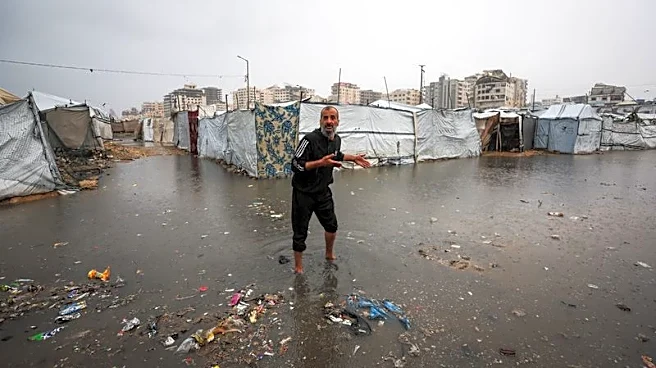
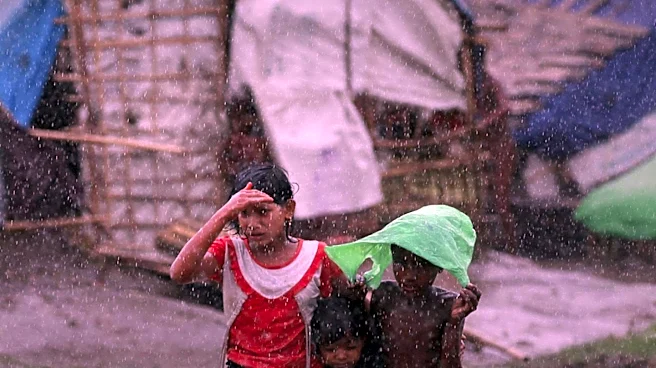
The entry of a substantial amount of winter supplies and infrastructure improvements is critical for mitigating the humanitarian crisis in Gaza, especially with the onset of colder weather. These efforts aim to provide shelter, improve sanitation, and enhance healthcare access for the vulnerable population. The coordination between the IDF, COGAT, and international organizations highlights the complex multi-stakeholder approach required for humanitarian aid delivery in conflict-affected regions. However, the reported delays in fulfillment by UN and international organizations underscore the logistical challenges and bureaucratic hurdles that can impede timely aid distribution, even when approvals are granted. This situation directly impacts the well-being of civilians and can exacerbate existing vulnerabilities.
What's Next?
The IDF and COGAT will continue to work on improving humanitarian conditions and preparing the population for winter. They will also maintain their efforts to prevent humanitarian aid from being exploited by terrorist organizations, reviewing requests for potentially sensitive equipment and seeking alternatives. The ongoing challenge will be to ensure that approved aid reaches those in need efficiently, overcoming logistical and budgetary obstacles faced by international organizations. Continued coordination and communication between all parties will be essential to streamline the aid delivery process and address any bottlenecks.
Beyond the Headlines
The report sheds light on the delicate balance between humanitarian imperatives and security concerns in Gaza. The IDF's emphasis on preventing the diversion of aid to Hamas highlights the inherent tension in delivering assistance in a contested environment. This situation often leads to delays and restrictions, impacting the speed and scale of humanitarian response. The unfulfilled aid requests by international organizations, attributed to their own logistical and budgetary issues, point to systemic challenges within the global humanitarian aid framework. This complexity underscores the need for innovative solutions and greater transparency to ensure that aid effectively reaches its intended beneficiaries without compromising security.