






What's Happening?
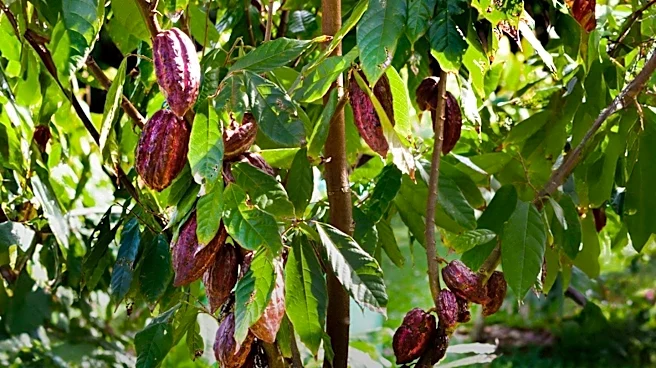
The Ghana Cocoa Board (COCOBOD) has projected a 16% decline in cocoa output, raising concerns about potential increases in chocolate prices. This forecast is attributed to several factors, including the anticipated El Niño conditions, excessive rainfall
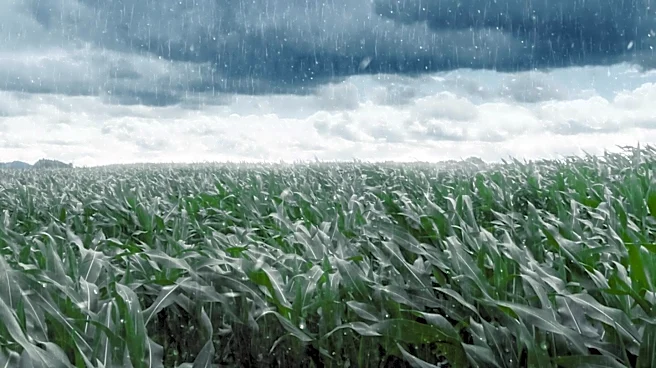
in May and June, and the natural bearing cycle of cocoa trees, which alternate between high and low yield years. The Western and Western North regions of Ghana, which contribute significantly to the country's cocoa production, are expected to be the most affected. The decline is exacerbated by the Cocoa Swollen Shoot Virus Disease, aging plantations, and the impact of illegal small-scale gold mining, known locally as galamsey, which degrades farmland and displaces cocoa groves. In response, COCOBOD is implementing measures such as farm rehabilitation, increased insecticide and fungicide spraying, and a nationwide free fertilizer distribution program for the 2026/2027 crop year.
Why It's Important?
The projected decline in cocoa production in Ghana, the world's second-largest cocoa producer, could have significant implications for the global chocolate industry. A reduction in supply may lead to higher cocoa prices, affecting chocolate manufacturers and consumers worldwide. The situation underscores the vulnerability of agricultural sectors to climate phenomena like El Niño, which can disrupt weather patterns and impact crop yields. Additionally, the challenges posed by illegal mining highlight the need for sustainable land management practices to protect vital agricultural resources. The efforts by COCOBOD to mitigate these impacts are crucial for maintaining the livelihoods of cocoa farmers and ensuring the stability of the cocoa market.
What's Next?
COCOBOD's initiatives to combat the decline in cocoa production are ongoing, with a focus on rehabilitating diseased farms and enhancing agricultural practices. The success of these measures will be critical in stabilizing cocoa output in the coming years. Furthermore, West African cocoa-producing countries, including Ghana, are seeking to strengthen cooperation on pricing, production, and value addition to bolster the sector. These collaborative efforts may lead to more resilient cocoa markets and improved economic outcomes for producers. Monitoring the development of El Niño conditions and their impact on agriculture will be essential for future planning and response strategies.