










What's Happening?
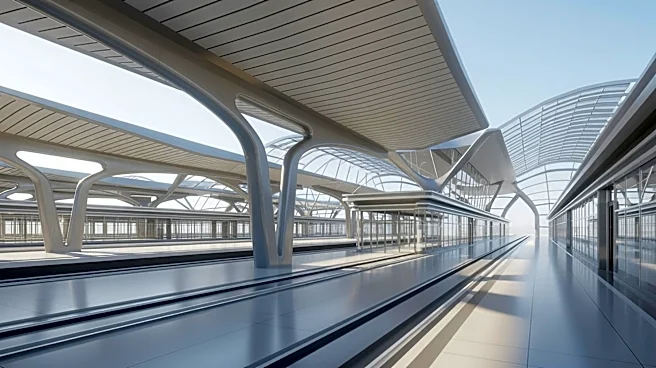
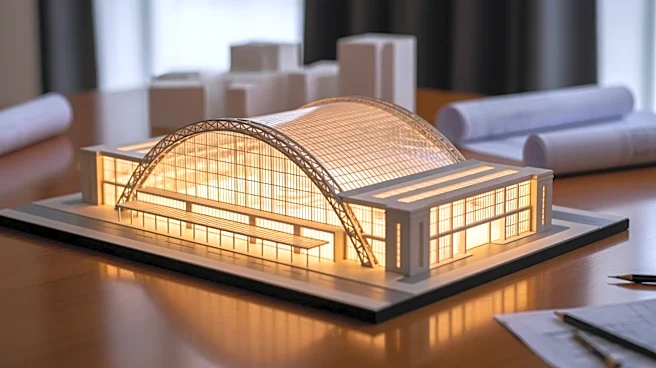
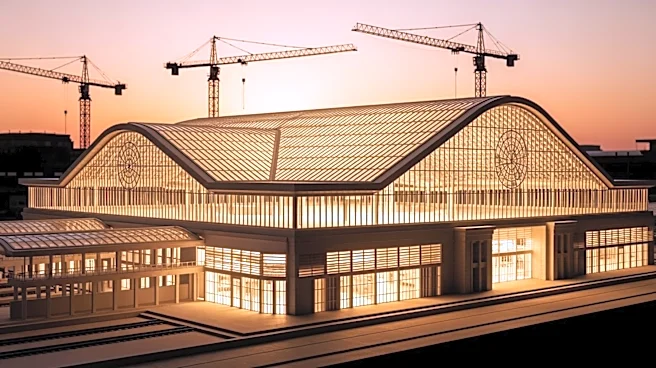
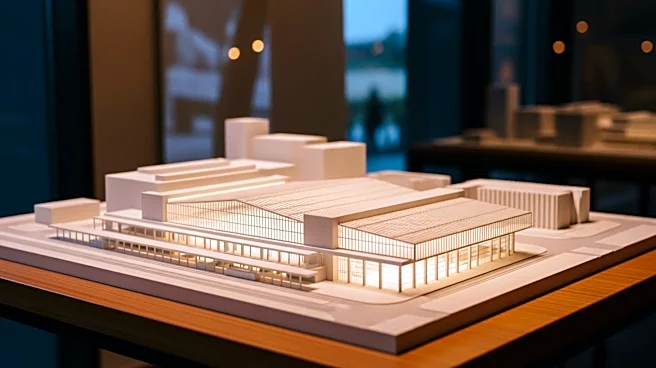
Amtrak has released the first renderings of the new Penn Station, a project led by Penn Transformation Partners, a joint venture of Halmar and Skanska. The redesign aims to transform the current station into a modern, light-filled civic landmark capable
of serving 600,000 daily riders. The project, designed by Practice for Architecture and Urbanism (PAU), will preserve much of the existing structure while incorporating elements of the original Penn Station's architectural legacy. The new design includes a 50-foot-tall train hall with public spaces, shops, and restaurants. Construction is expected to begin in 2027, with the project estimated to cost between $7 billion and $8 billion.
Why It's Important?
The redevelopment of Penn Station is a significant infrastructure project that addresses longstanding issues of overcrowding and inefficiency in one of the nation's busiest transit hubs. By modernizing the station, the project aims to improve the commuter experience and accommodate future growth in ridership. The redesign also reflects a broader trend towards revitalizing urban infrastructure to meet contemporary needs while preserving historical elements. The project's funding model, which includes federal grants and private financing, highlights the importance of public-private partnerships in executing large-scale infrastructure improvements.
What's Next?
As the project moves forward, Amtrak will engage with the community to gather public input and refine the design. The construction phase, scheduled to begin in 2027, will require careful coordination to minimize disruptions to current operations. Stakeholders, including local government, transit agencies, and the public, will play a crucial role in shaping the final outcome. The project's progress will be closely monitored, serving as a potential model for future infrastructure initiatives in other cities.