








What's Happening?
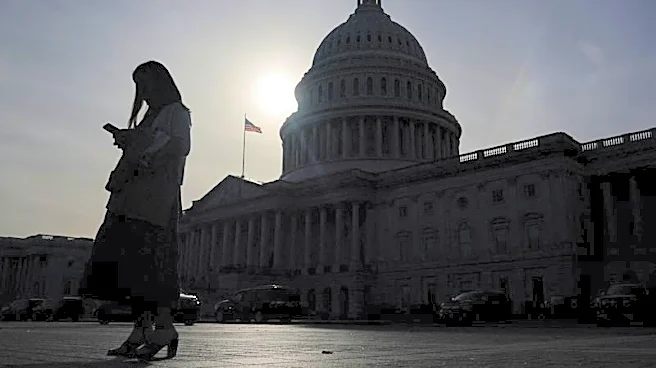
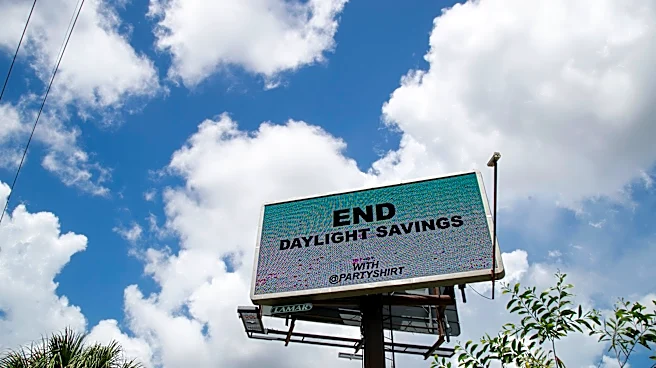
The U.S. House of Representatives has approved legislation that could make daylight saving time permanent nationwide, a move that would significantly alter sunrise and sunset times in New Jersey. Known as the Sunshine Protection Act, the legislation aims
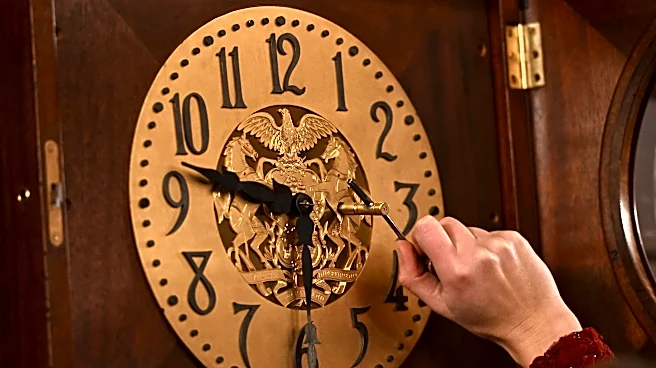
to eliminate the biannual clock changes, keeping the state on daylight saving time year-round. This change would result in later sunrises, particularly during winter months, with some areas experiencing sunrise as late as 8:25 a.m. The proposal has sparked debate over its potential impact on school schedules, commuting, and public safety.
Why It's Important?
The shift to permanent daylight saving time could have widespread implications for daily life in New Jersey. While later sunsets may provide more daylight for evening activities, the tradeoff of darker mornings could affect school schedules, commuting safety, and overall public health. Critics argue that the change could lead to increased risks for children traveling to school in the dark and disrupt natural sleep patterns. The debate highlights the complexities of balancing economic, social, and health considerations in public policy decisions.
What's Next?
For the Sunshine Protection Act to become law, it must also pass the Senate. If enacted, the change would require adjustments in various sectors, including education, transportation, and public safety. Stakeholders such as school districts, businesses, and health experts may need to adapt to the new time framework. The ongoing discussion reflects broader societal considerations about time management and its impact on lifestyle and well-being.