





What's Happening?
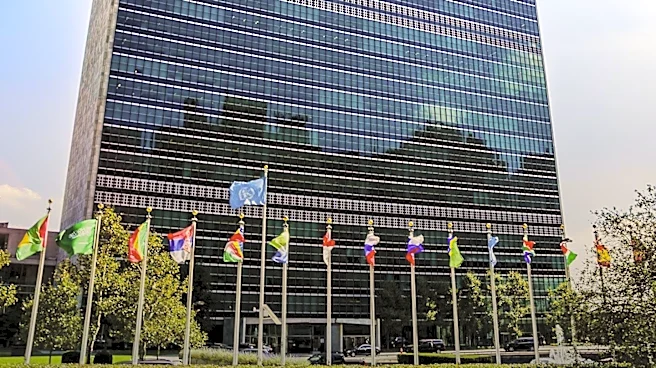
Eritrea has announced it will no longer engage with the United Nations' country-specific human rights mandate, which it has criticized as politically biased and selective. The mandate, established in 2012, has been a point of contention for Eritrea, which argues
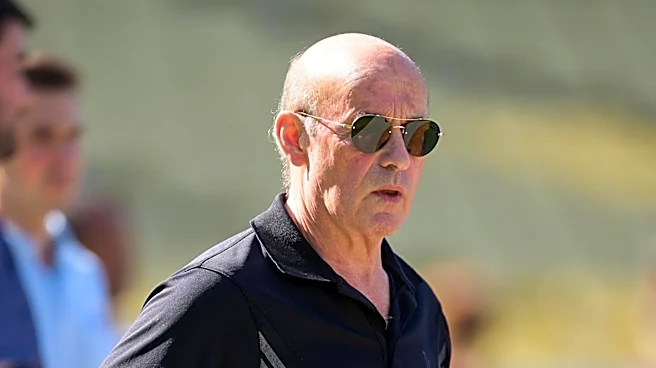
that it unfairly targets the country while ignoring broader human rights issues. Eritrea's Foreign Minister Osman Saleh stated that the mandate has cost the country significant resources and damaged its international reputation. Instead, Eritrea plans to focus on broader UN human rights mechanisms that apply equally to all member states.
Why It's Important?
Eritrea's decision to disengage from the UN mandate highlights ongoing tensions between the country and international human rights bodies. This move could impact Eritrea's diplomatic relations and its standing in the international community. The decision also raises questions about the effectiveness and fairness of country-specific mandates in addressing human rights issues. Eritrea's stance may encourage other countries to challenge similar mandates, potentially leading to changes in how the UN addresses human rights concerns globally.
What's Next?
The UN Human Rights Council is expected to consider the renewal of the mandate, but Eritrea has signaled it will not participate in further discussions. This could lead to a reevaluation of the mandate's effectiveness and the broader approach to human rights monitoring. Eritrea's partners will need to decide whether to continue supporting the mandate or engage with Eritrea through alternative channels. The situation may prompt discussions within the UN about the balance between country-specific mandates and universal human rights mechanisms.