






What's Happening?
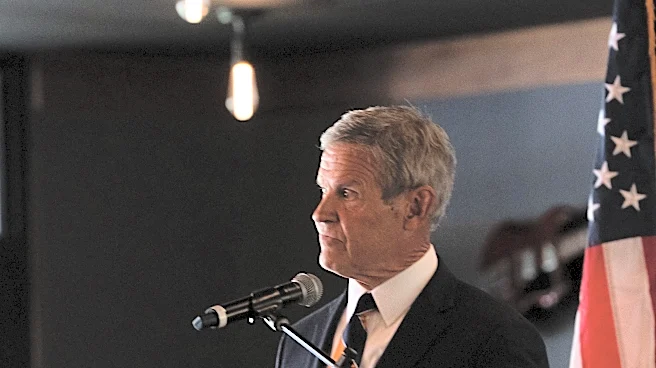
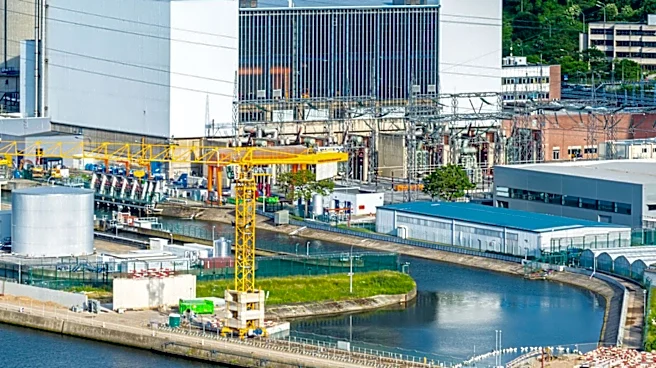
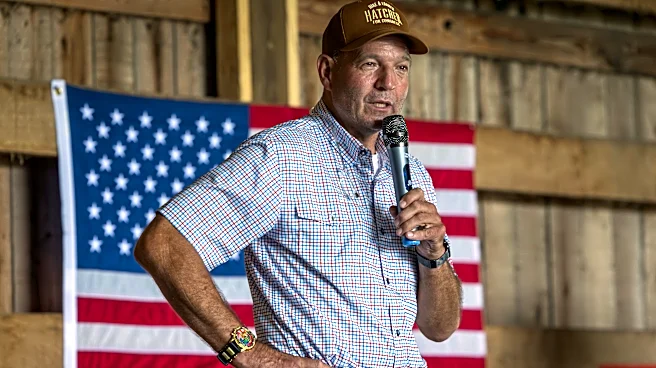
Governor Bill Lee of Tennessee has expressed optimism about the state's chances of being selected as one of the two finalists for a $50 billion nuclear energy campus. Speaking at the Nashville Rotary Club, Lee emphasized Tennessee's historical involvement
in nuclear power research and production, citing the state's role in the Manhattan Project and its existing nuclear facilities. The U.S. Department of Energy is considering Tennessee among five states for a federal partnership aimed at boosting nuclear energy production. Lee has formed a nuclear advisory council and allocated $70 million to a nuclear projects fund. However, he remains cautious about the potential environmental risks associated with nuclear waste storage, stating that the state must balance economic growth with environmental protection.
Why It's Important?
The potential establishment of a nuclear energy campus in Tennessee could significantly impact the state's economy by creating approximately 25,000 jobs and attracting substantial federal investment. This development aligns with broader national efforts to expand nuclear energy as a clean energy source. However, the project also raises environmental concerns, particularly regarding nuclear waste storage. The decision could influence public policy and regulatory frameworks surrounding energy production and environmental protection. The involvement of the public in the decision-making process, as promised by Lee, will be crucial in addressing these concerns and ensuring transparency.
What's Next?
Governor Lee has assured that the public will be involved in an open process before any decisions are made regarding the nuclear campus. The state is awaiting further instructions from the federal government on site selection. Meanwhile, Democratic Senator Heidi Campbell has requested transparency in disclosing potential sites for nuclear energy and waste storage. The outcome of this project could set a precedent for future energy infrastructure developments in the U.S., influencing both state and federal energy policies.