





What's Happening?
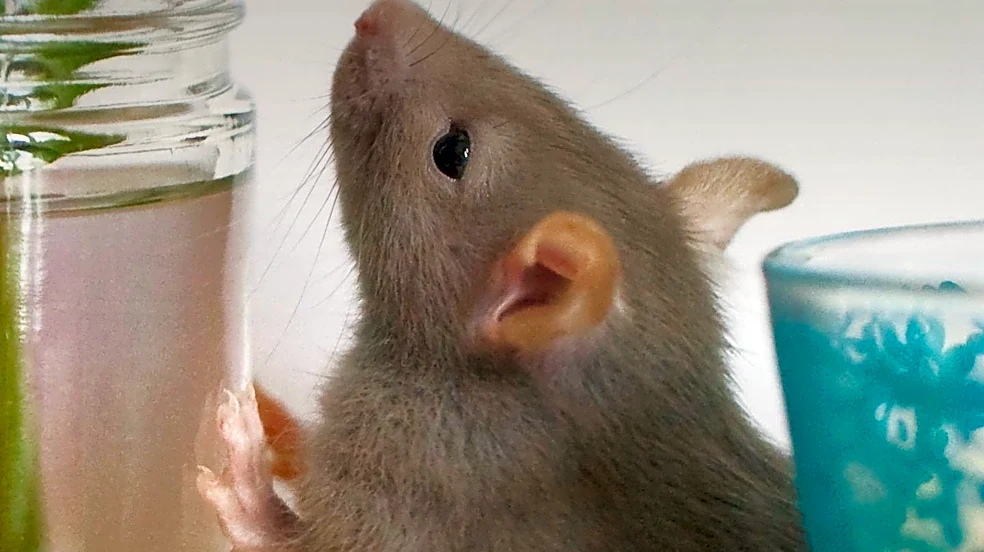
The Lexington-Fayette County Health Department has temporarily closed Jalapeno’s, a Mexican restaurant located at 1030 South Broadway in Lexington, Kentucky. The closure, which occurred on Wednesday, was initiated following the discovery of "evidence
of rodents" on the premises. According to the Lexington Herald-Leader, a full report detailing the health department's findings will not be made public until the restaurant successfully reopens. As of Thursday, no specific date has been set for a re-inspection, leaving the timeline for the restaurant's reopening uncertain. This action by the health department underscores its role in enforcing public health standards and ensuring food safety within the community.
Why It's Important?
This closure is important as it highlights the critical role of local health departments in safeguarding public health and ensuring food safety standards are met in the U.S. restaurant industry. For consumers, such actions reinforce trust in regulatory bodies and provide assurance that establishments are held accountable for maintaining hygienic environments. For businesses, particularly in the food service sector, it serves as a stark reminder of the severe consequences of failing to adhere to health codes, which can include significant financial losses due to closure, damage to reputation, and potential legal repercussions. The incident also impacts the local economy, as a closed business affects employees, suppliers, and the overall vibrancy of the commercial district. It underscores the continuous need for vigilance and proactive measures by restaurant owners to prevent pest infestations and maintain sanitary conditions to avoid operational disruptions and protect public well-being.
What's Next?
The immediate next step for Jalapeno’s will involve addressing the rodent infestation and rectifying all identified health code violations to the satisfaction of the Lexington-Fayette County Health Department. The restaurant must undertake thorough cleaning, pest control measures, and implement preventative strategies to ensure the issue does not recur. Once these corrective actions are completed, the restaurant will need to request a re-inspection from the health department. The full report detailing the initial violations will only become available to the public after the restaurant has successfully passed this re-inspection and been permitted to reopen. The timing of these events remains unclear, as no re-inspection date has been scheduled yet. The community will likely monitor the situation for updates regarding the restaurant's compliance and eventual reopening.
Beyond the Headlines
Beyond the immediate closure, this incident could prompt broader discussions within Lexington's restaurant community regarding pest control protocols and health inspection preparedness. It may encourage other establishments to review their own sanitation practices and pest management strategies to avoid similar disruptions. From a public health perspective, such closures, while inconvenient for the business, are crucial for preventing potential health risks associated with unsanitary conditions, such as foodborne illnesses. The transparency, or lack thereof, regarding the full health report until reopening also raises questions about public access to information versus the process of remediation. This event serves as a micro-example of the constant tension between business operations and public health oversight, emphasizing the ongoing need for robust regulatory frameworks and diligent enforcement to protect consumers.