


What's Happening?
The Elgin Heritage Commission is set to honor nine individuals and organizations for their contributions to preserving the city's historical architecture and cultural resources. The annual Mayor’s Awards for Preservation will be presented on May 5 at The Lodge
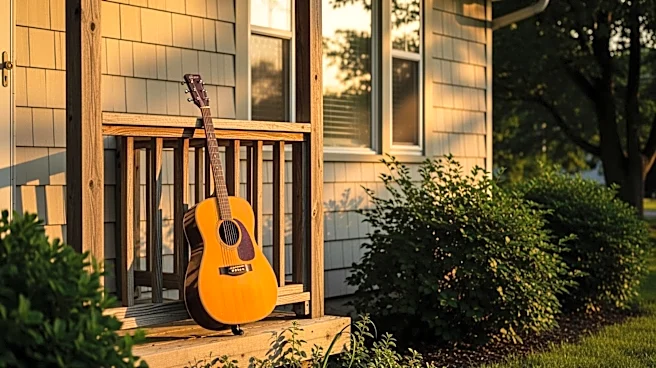
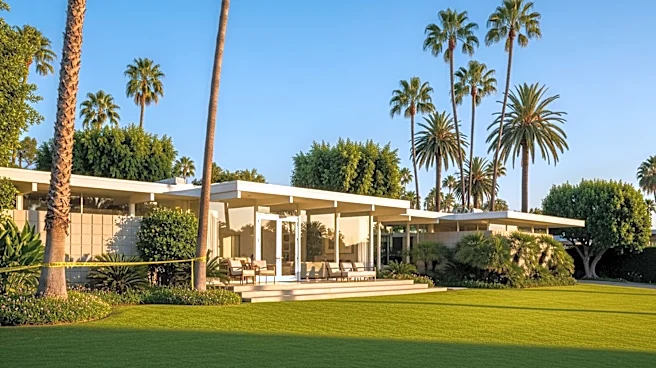
Performing Arts Center. Among the honorees is Benjamin Glunz, recognized for transforming the historic 1960s PNC Bank into Glunz Hall, a space for Judson University students. The Bethlehem Evangelical Lutheran Church will be acknowledged for its efforts to restore a stained-glass window from its former church. Other awardees include Chuck Keysor for his work on a historic porch, and the Elgin Public Museum for enhancing exhibit space without altering original architecture. Elizabeth Marston will receive a service award for her long-term dedication to the Elgin History Museum. The event will also recognize eight homeowners for their research into the history of their properties, awarding them heritage building plaques.
Why It's Important?
These awards highlight the importance of preserving historical architecture and cultural heritage, which contribute to community identity and continuity. By recognizing these efforts, the Elgin Heritage Commission not only honors individual and organizational contributions but also encourages ongoing preservation activities. This can lead to increased community engagement and tourism, benefiting the local economy. The adaptive reuse of historic buildings, as demonstrated by several awardees, showcases sustainable development practices that can inspire similar projects nationwide. Such initiatives preserve the architectural integrity of historic sites while providing modern functionality, thus balancing heritage conservation with contemporary needs.
What's Next?
The awards ceremony, open to the public, will be held on May 5, with reservations required for attendance. The event will also be livestreamed, allowing broader access to the proceedings. This recognition may inspire further preservation efforts within the community and beyond, potentially leading to more projects that blend historical preservation with modern use. The continued acknowledgment of such efforts could foster a culture of preservation, encouraging more individuals and organizations to participate in maintaining the historical and cultural fabric of their communities.