




What's Happening?
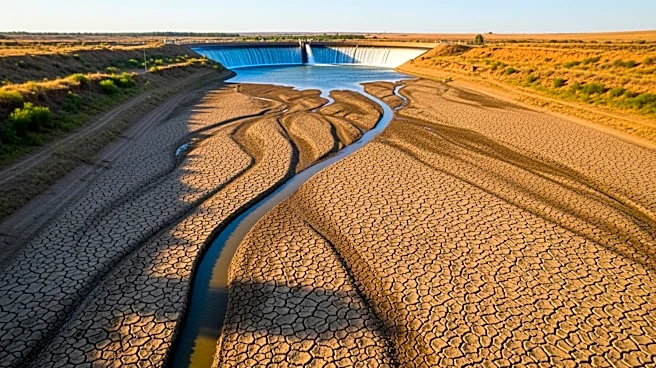
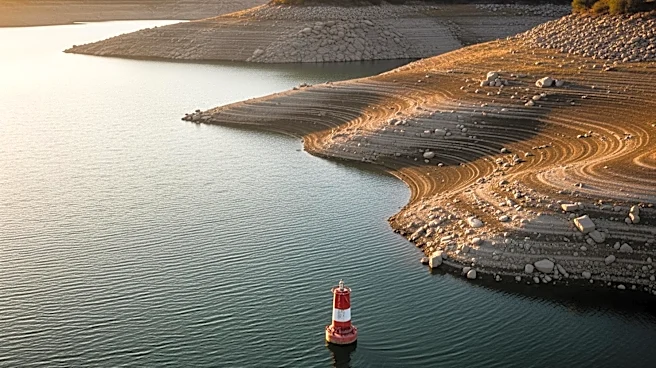
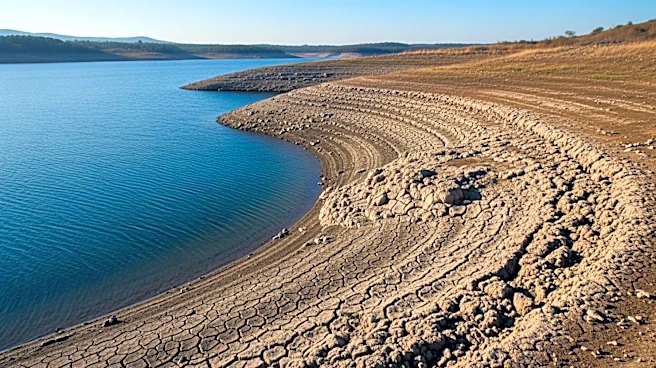
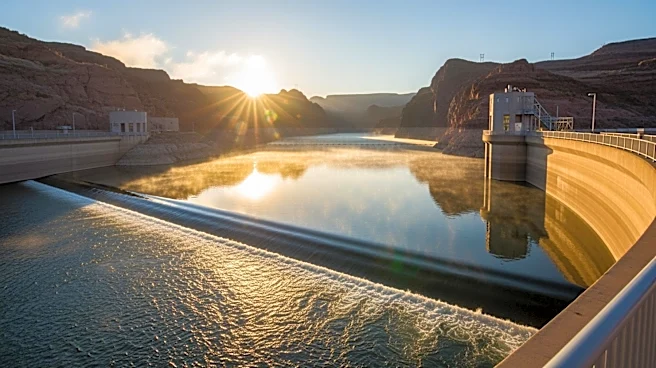
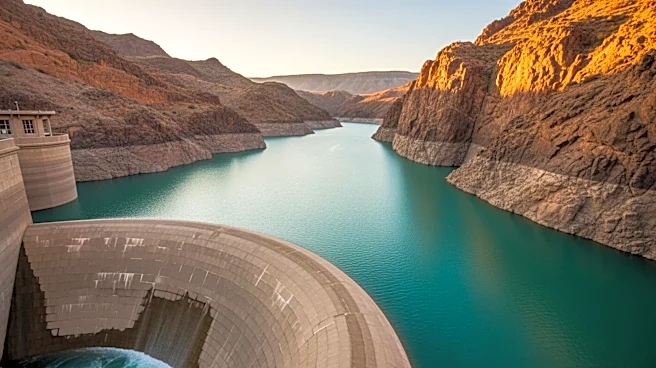
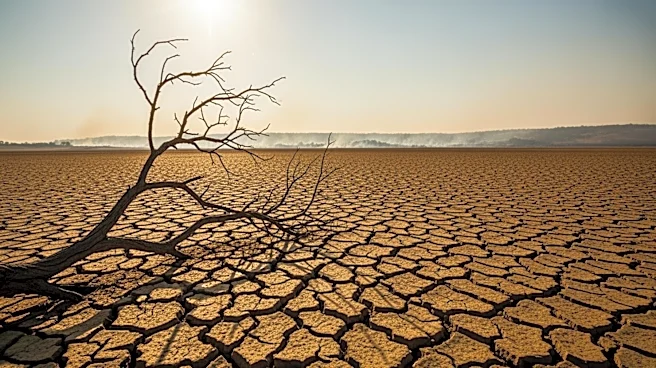
The Bureau of Reclamation has announced emergency measures to address the severe drought affecting the Colorado River Basin, particularly Lake Powell, the largest reservoir in the Upper Colorado River Basin. The agency plans to release between 600,000
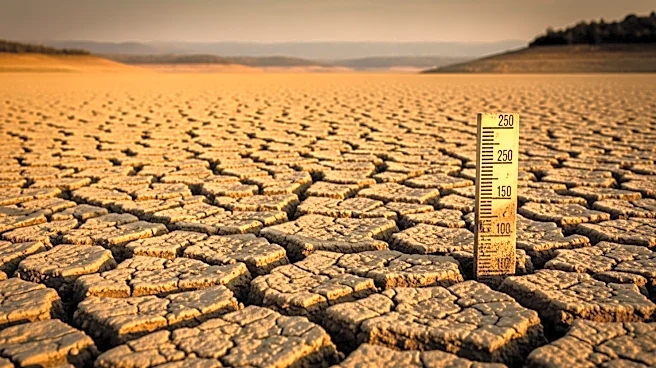
and one million acre-feet of water from the Flaming Gorge Reservoir over the next year. Additionally, the water flow from Lake Powell through the Glen Canyon Dam will be reduced, impacting downstream areas such as the Grand Canyon and Lake Mead. These actions are in response to a significant decrease in snowpack, which is crucial for water supply in the region. The measures aim to raise Lake Powell's elevation by 54 feet by April 2027, preventing it from dropping below the critical level needed for hydropower generation at Glen Canyon Dam.
Why It's Important?
The drought contingency measures are critical as they address the immediate threat to water supply and hydropower generation in the Colorado River Basin, a vital resource for seven U.S. states. The actions taken by the Bureau of Reclamation highlight the ongoing challenges posed by climate change, which has led to reduced snowpack and water availability. The situation underscores the need for long-term water management strategies and cooperation among the states reliant on the Colorado River. The potential legal disputes, particularly from Arizona, could further complicate water allocation and management efforts, potentially leading to costly and prolonged litigation.
What's Next?
The Bureau of Reclamation's plan will be closely monitored as it unfolds over the next year. The agency's actions may prompt further negotiations among the Upper and Lower Basin states to reach a consensus on water usage and allocation. The potential for legal action by Arizona could escalate the situation, possibly reaching the U.S. Supreme Court. Additionally, the reduced water flow could have significant environmental and economic impacts, including increased wildfire risks and challenges for agricultural and recreational activities in the region. Stakeholders will need to adapt to the reduced water availability and explore sustainable water management practices.
Beyond the Headlines
The current drought and water management challenges highlight the broader implications of climate change on natural resources and infrastructure. The reliance on emergency measures to manage water resources points to the need for more sustainable and resilient water management systems. The situation also raises ethical and legal questions about water rights and the equitable distribution of resources among states. As climate change continues to impact water availability, there may be a need for policy reforms and innovative solutions to ensure long-term water security for the affected regions.