
What's Happening?
Petersburg and Wrangell, Alaska, are experiencing a critical shortage of rental housing, with a combined vacancy rate of just 1.1%, significantly lower than the state's median of 5.4% in 2026. This data
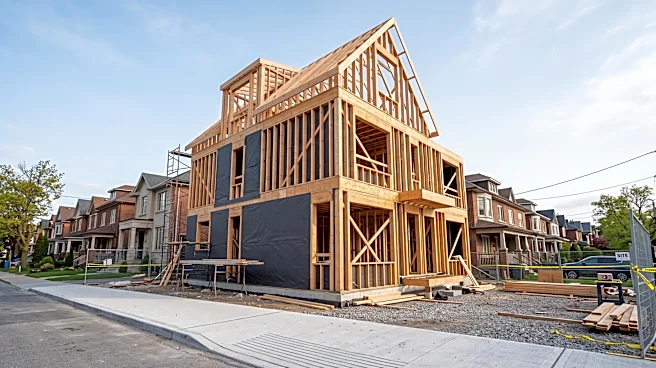
comes from the state Department of Labor's annual rental survey, published in its Alaska Economic Trends Magazine. Despite having some of the lowest average rents in Alaska—a two-bedroom apartment plus utilities averages $1,288, compared to Juneau's $1,708—the scarcity makes finding available units extremely difficult. Petersburg realtor Sarah Holmgrain notes that the housing shortage has been a persistent issue for decades, with rentals being filled almost immediately upon becoming available. A 2023 local survey indicated that Petersburg alone would need over 300 new housing units within the next decade to meet demand. In 2025, Petersburg and Wrangell each issued only six building permits for new single-family units, which was a decade-high for Wrangell.
Why It's Important?
The severe housing shortage in Petersburg and Wrangell has significant implications for the communities' economic and social stability. The low vacancy rates, coupled with rising homeownership costs and a shrinking number of new mortgages, create substantial barriers for residents and potential newcomers. This situation impacts local employers, who struggle to recruit and retain staff due to the lack of available housing, as highlighted by Petersburg's police chief regarding officer recruitment. The affordability of rent, while seemingly beneficial, is offset by the sheer unavailability of units, suggesting a disconnect between housing costs and local wages. This dynamic can lead to a stagnant workforce, hinder economic growth, and potentially force residents to leave the communities in search of housing, thereby altering the demographic and economic landscape of these Alaskan towns.
What's Next?
Addressing the housing crisis in Petersburg and Wrangell will likely require a multi-faceted approach, including increased construction of new housing units and potential policy interventions to encourage development. The current rate of six new single-family building permits per year in each community is insufficient to meet the projected demand of over 300 units in Petersburg alone over the next decade. Local authorities and community leaders may need to explore incentives for developers, streamline permitting processes, or invest in affordable housing projects. The reliance on informal channels, such as social media groups, for finding rentals underscores the urgency of developing more structured and accessible housing solutions. Without significant action, the housing shortage will continue to impede economic development and quality of life in these communities.
Beyond the Headlines
The housing challenges in Petersburg and Wrangell reflect a broader issue faced by many small, remote communities across the U.S., where unique economic conditions and geographical constraints limit housing development. The phenomenon of 'affordable but unavailable' housing points to a deeper structural problem where market forces alone cannot adequately address demand. This situation can exacerbate social inequalities, as those with fewer resources or connections may find it nearly impossible to secure housing. The struggle to attract essential workers, such as police officers, due to housing scarcity, highlights how a lack of housing can undermine public services and community safety. This scenario also raises questions about the long-term sustainability of such communities in the face of demographic shifts and economic pressures, emphasizing the need for comprehensive regional planning and support.