





What's Happening?
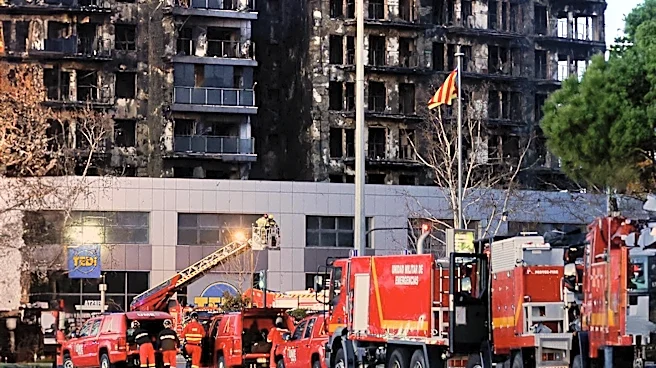
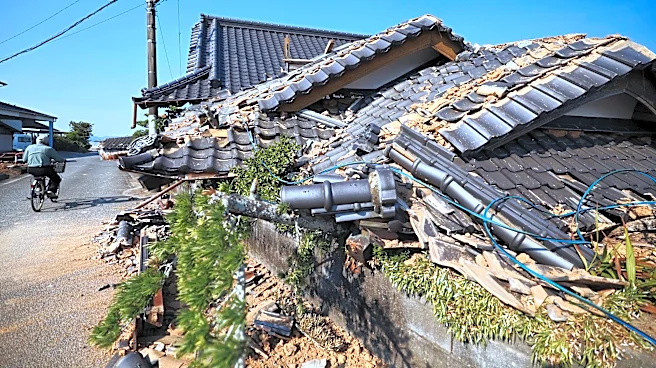
The Venezuelan National Assembly has updated the death toll from the twin earthquakes that struck the country in June to 6,125. The earthquakes, with magnitudes of 7.2 and 7.5, caused significant destruction, particularly in the coastal state of La Guaira,
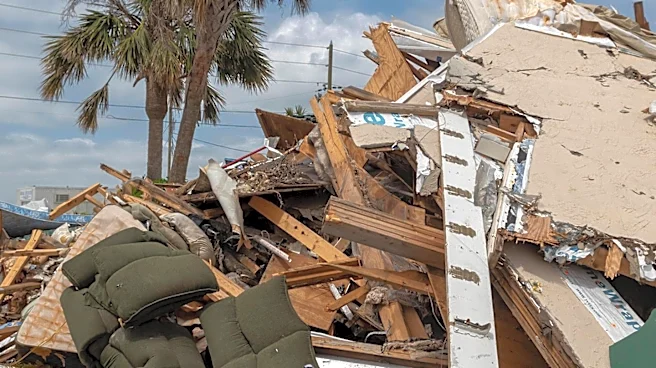
where nearly 200 buildings collapsed. Rescue operations are ongoing, with approximately 1,400 people still missing. The government has classified over 16,200 structures as unsafe, leading to the displacement of nearly 24,000 people who are now living in temporary shelters. In response, Venezuelan lawmakers have passed a new law to facilitate property rentals, aiming to assist those displaced by the disaster.
Why It's Important?
The updated death toll highlights the severe impact of the earthquakes on Venezuela, exacerbating the country's existing economic and humanitarian challenges. The destruction of infrastructure and homes has left thousands in need of immediate assistance, putting pressure on the government to provide housing and support. The new rental law represents a significant policy shift, potentially easing the housing crisis for displaced individuals. However, the scale of the disaster underscores the need for international aid and long-term recovery efforts to rebuild affected communities and restore stability.
What's Next?
The Venezuelan government plans to provide 4,000 homes to those affected by the earthquakes by the end of the year, with a goal of exceeding 10,000 homes by 2027. The success of these initiatives will depend on the government's ability to mobilize resources and coordinate with international partners. Continued rescue and recovery efforts are critical, as many people remain missing. The situation may prompt further legislative and policy changes to address the broader housing and infrastructure challenges facing the country.