



What's Happening?
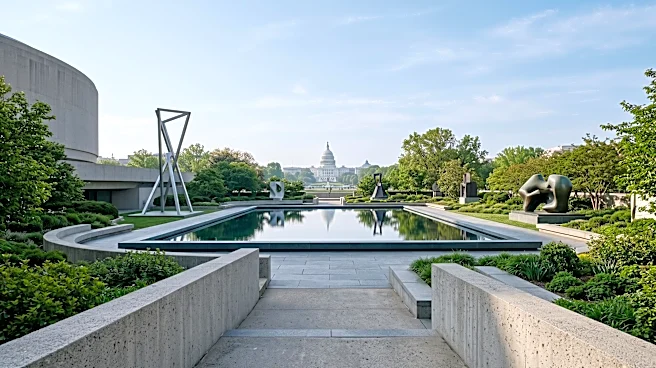
The Hirshhorn Sculpture Garden, a part of the Smithsonian Institution located on the National Mall, has officially reopened following a significant revitalization project. The redesign, led by artist and architect Hiroshi Sugimoto with Quinn Evans serving
as the architect of record, aims to create a more welcoming, resilient, and adaptable public space for modern and contemporary art installations. The project honors Gordon Bunshaft's original 1974 brutalist design and Lester Collins' 1980 intervention while incorporating new features. These include an open West Gallery for events, a Central Gallery with a stage and reflecting pool, and an East Gallery featuring 'viewing rooms' for masterworks. The renovation also restored historically significant elements, such as a 60-foot-wide entry from the National Mall and the underground passageway linking the Museum Plaza and Sculpture Garden, which had been closed since the 1980s. The garden now displays 50 percent more collection works in its outdoor galleries.
Why It's Important?
The reopening of the Hirshhorn Sculpture Garden is important for several reasons. It significantly enhances a prominent cultural landscape on the National Mall, making world-class modern and contemporary art more accessible and engaging to the public. The revitalization improves the garden's adaptability and resilience, integrating infrastructure to support diverse art installations and addressing environmental vulnerabilities like flooding through new concealed stormwater systems and rainwater reuse for irrigation. This commitment to landscape performance and environmental stewardship is reflected in its pursuit of SITES Gold certification. By balancing preservation with innovation, the project provides a flexible platform for contemporary artistic expression and public engagement, potentially increasing visitor numbers and enriching the cultural experience for both local residents and tourists in Washington, D.C.
What's Next?
The Hirshhorn Sculpture Garden is on track to receive SITES Gold certification, a recognition of its commitment to landscape performance, environmental stewardship, and visitor well-being. The enhanced infrastructure and flexible design will allow the Hirshhorn Museum to continue presenting a wider array of modern and contemporary art, including large-scale sculpture, performance art, and time-based media. The increased visibility and accessibility from the National Mall are expected to draw more visitors, fostering greater public engagement with the arts. Future programming will likely leverage the garden's new adaptable spaces for various events and temporary installations, further solidifying its role as a dynamic cultural hub in the nation's capital.
Beyond the Headlines
The transformation of the Hirshhorn Sculpture Garden reflects a broader trend in urban planning and cultural institutions towards creating more resilient, adaptable, and environmentally conscious public spaces. The integration of sustainable practices, such as advanced stormwater management and rainwater reuse, highlights a growing emphasis on environmental stewardship within major cultural projects. Furthermore, the careful balance between preserving historical architectural designs and incorporating modern functionality speaks to the ongoing dialogue about how to honor heritage while meeting contemporary needs. The reopening of the underground passageway also symbolizes a reunification of the Hirshhorn's campus, enhancing the visitor experience and potentially fostering a more cohesive engagement with the museum's offerings. This project serves as a model for how cultural landscapes can evolve to become more inclusive, sustainable, and dynamic.