







What's Happening?
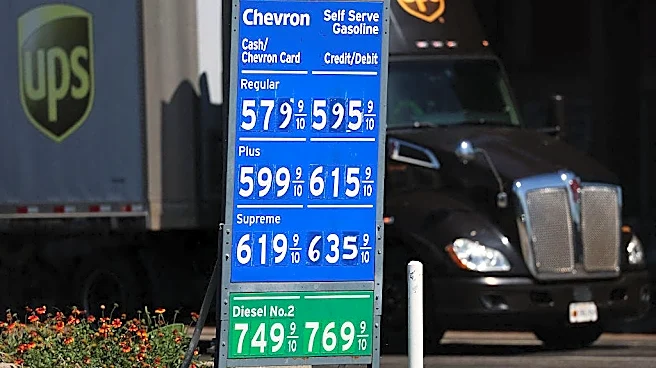
The U.S. government is under increasing pressure to implement restrictions on diesel exports. This call comes as domestic diesel prices have reached unprecedented highs, creating a dilemma for policymakers. Despite the elevated prices within the country,
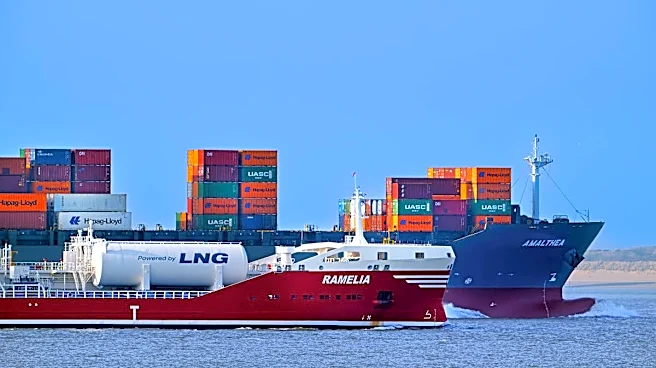
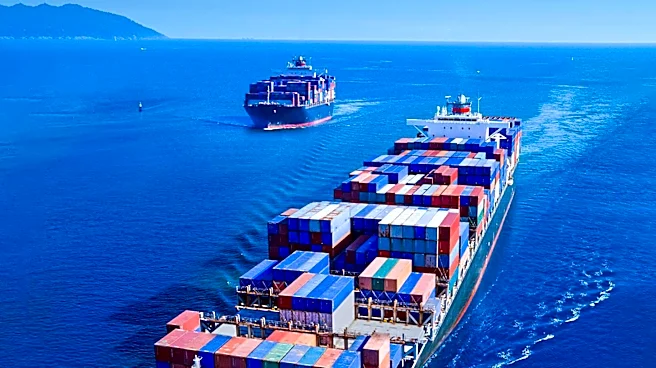
the U.S. remains a significant global exporter of diesel. In August, U.S. diesel exports hit a record 1.6 million barrels per day. This situation highlights a disconnect between the availability of diesel for international markets and the cost burden on American consumers and industries. The pressure on the government is to prioritize domestic supply and affordability over export volumes, especially as Brent crude prices have been falling, which typically would suggest a decrease in fuel costs.
Why It's Important?
This situation is important because it directly impacts the U.S. economy and various industries. Record-high domestic diesel prices translate to increased operational costs for sectors heavily reliant on diesel, such as transportation, agriculture, and manufacturing. This can lead to higher consumer prices for goods and services, contributing to inflation and potentially slowing economic growth. Restricting exports could alleviate some of the domestic price pressure, benefiting American businesses and consumers. However, such a move could also have international implications, potentially affecting global energy markets and diplomatic relations with countries that depend on U.S. diesel exports. The decision involves balancing domestic economic stability with international trade commitments and global energy supply dynamics. The current scenario underscores the vulnerability of the U.S. economy to energy price fluctuations and the complex interplay between domestic policy and global market forces.
What's Next?
The U.S. government will likely face continued calls from various stakeholders, including industry groups and consumer advocates, to address the high domestic diesel prices. Policymakers will need to evaluate the potential economic and geopolitical consequences of restricting diesel exports. This could involve debates within Congress and the administration regarding the implementation of export controls, tariffs, or other measures aimed at increasing domestic supply or reducing demand. Any decision will require careful consideration of its impact on the U.S. energy sector, international trade relationships, and the broader global energy market. The outcome could set a precedent for how the U.S. manages its energy resources during periods of domestic price volatility, potentially influencing future energy policy and trade strategies.
Beyond the Headlines
Beyond the immediate economic concerns, this diesel dilemma highlights deeper issues regarding energy independence, national security, and the role of the U.S. in global energy markets. The tension between maximizing export revenue and ensuring affordable domestic supply reflects a fundamental challenge in energy policy. It also brings into focus the environmental implications of diesel consumption and production, as any policy changes could affect emissions and the transition to cleaner energy sources. Furthermore, the situation could prompt a re-evaluation of the U.S.'s strategic petroleum reserves and its capacity to respond to energy crises. The long-term shifts triggered by this development could include increased investment in domestic refining capacity, diversification of energy sources, and a more nuanced approach to energy trade policies that balance economic interests with national resilience and environmental goals.