
What's Happening?
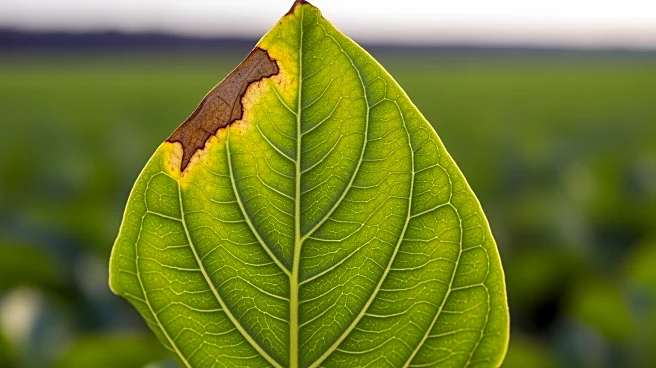
The nutrient density of crops has declined by approximately 50% over the past fifty years, driven by factors such as climate change, soil depletion, and breeding priorities. This decline poses a challenge
as the demand for nutrient-dense foods increases, particularly with the rising use of GLP-1 weight-loss drugs. These medications require users to consume smaller, more nutrient-rich portions, highlighting the need for foods with higher nutritional value.
Why It's Important?
The reduction in crop nutrient density could exacerbate issues of malnutrition, especially as the global population continues to grow. With around 28% of the world's population experiencing food insecurity, the need for nutrient-dense foods is critical. The popularity of GLP-1 drugs further intensifies this demand, as users require foods that provide essential nutrients in smaller quantities. This situation underscores the importance of sustainable agricultural practices and the reformulation of food products to meet nutritional needs.
Beyond the Headlines
The decline in crop nutrient density raises broader questions about food security and sustainability. As the global population is projected to reach 10.3 billion by 2080, innovative agricultural practices, such as regenerative agriculture, may be necessary to restore soil health and improve crop nutrition. Additionally, the focus on nutrient-dense foods could drive changes in consumer behavior and food manufacturing, potentially leading to a shift towards more sustainable and health-conscious food systems.