



What's Happening?
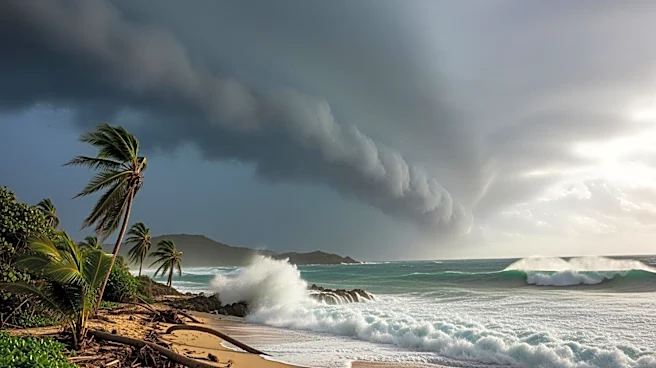
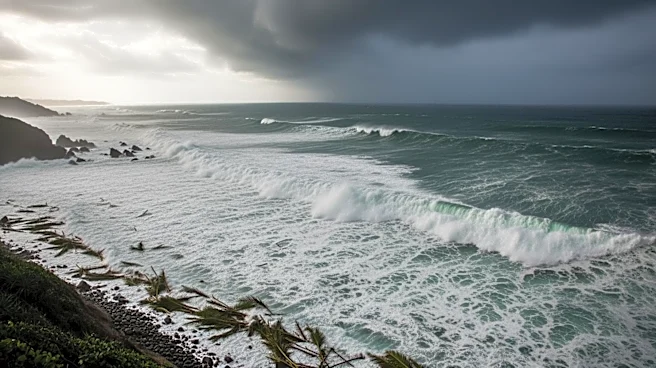
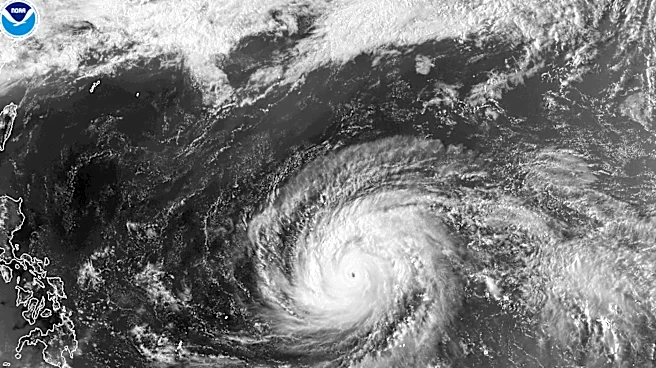
The Northern Mariana Islands are grappling with the aftermath of Super Typhoon Sinlaku, which has left many areas without power and water. The typhoon, which struck the islands with winds up to 150 mph, caused extensive damage, including flipped cars,
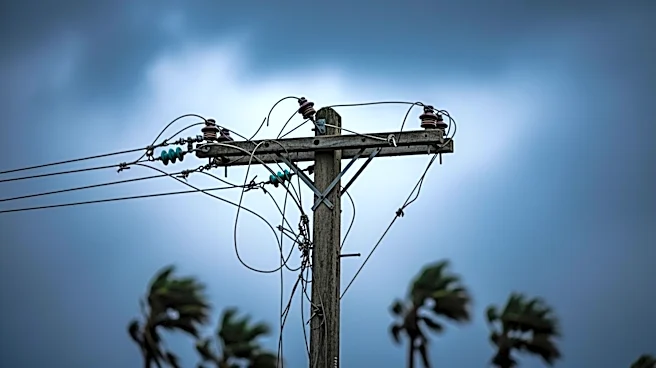
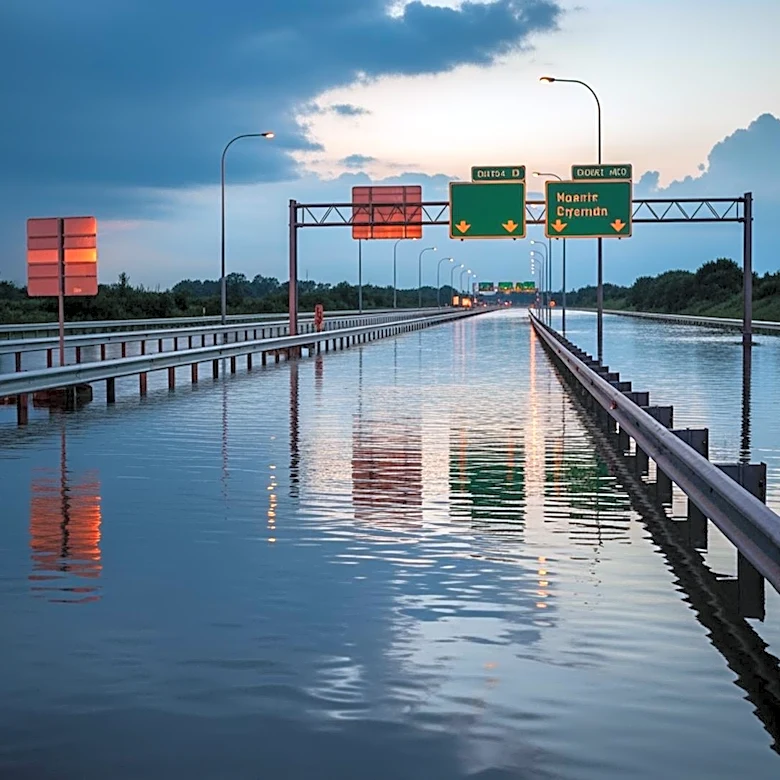
toppled utility poles, and ripped roofs. Saipan, the largest island, experienced severe flooding, and many roads remain impassable. The only hospital on Saipan reported significant flooding, and some resorts lost backup generators. Authorities are still assessing the full extent of the damage, but initial reports indicate that recovery could take weeks.
Why It's Important?
The impact of Super Typhoon Sinlaku on the Northern Mariana Islands underscores the vulnerability of island communities to extreme weather events. The loss of power and water services poses significant challenges to residents' daily lives and the local economy. The situation highlights the need for robust disaster preparedness and response strategies, particularly in remote and isolated regions. The typhoon's impact on infrastructure and essential services could have long-term implications for the islands' recovery and resilience against future storms.
What's Next?
As the Northern Mariana Islands begin recovery efforts, authorities will focus on restoring power and water services and clearing debris from roads. The assessment of damage will guide the allocation of resources and support from federal and local agencies. The situation may prompt discussions on improving infrastructure resilience and emergency preparedness to better withstand future typhoons. Additionally, the islands may seek assistance from the U.S. government and international organizations to aid in recovery and rebuilding efforts.