




What's Happening?
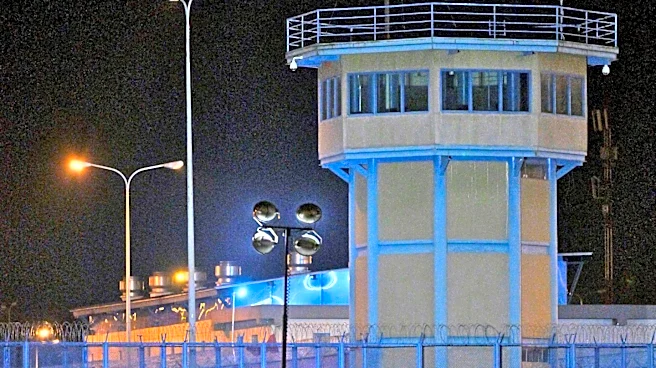
U.S. Senator Reverend Raphael Warnock (D-GA) recently visited the Stewart Detention Center in Lumpkin, Georgia, to investigate reports of inadequate basic medical care and overcrowding within the facility. During his visit, Senator Warnock spoke with several
detainees, including a pregnant woman, who shared concerning accounts regarding access to medical services. He also engaged with immigration officials to address the rising number of 911 calls originating from the center. Since January 2025, multiple individuals have reportedly died inside the Stewart Detention Center, during transport, or shortly after being medically released. Records indicate that 15 detainees have died since the facility's opening in 2006. Senator Warnock emphasized the importance of human dignity and accountability, stating his commitment to continue questioning and holding officials responsible for conditions at the facility. He also visited El Refugio, a nonprofit supporting immigrant families, where he met with staff and the family of a detainee who reportedly has no criminal record and has lived in the U.S. for over 25 years, expressing concerns about the detainee's medical care.
Why It's Important?
This visit by Senator Warnock highlights ongoing concerns about human rights and the standard of care within U.S. immigration detention facilities. The reported deaths and lack of basic medical attention, particularly for vulnerable individuals like pregnant women, raise serious questions about the oversight and operational practices of these centers. The issue of overcrowding and increased emergency calls points to systemic challenges that could compromise the health and safety of detainees. For U.S. society, these conditions reflect on the nation's commitment to humanitarian principles and due process, regardless of immigration status. The involvement of a U.S. Senator underscores the national significance of these issues, potentially leading to increased scrutiny, policy changes, and calls for greater transparency and accountability from federal agencies responsible for immigration detention. The situation could also fuel broader debates on immigration reform and the treatment of non-citizens within the U.S. legal system.
What's Next?
Following his visit, Senator Warnock has pledged to continue asking questions and holding officials accountable, suggesting further congressional oversight or investigations into the Stewart Detention Center and potentially other similar facilities. This could involve legislative efforts to mandate improved medical standards, reduce overcrowding, and enhance transparency in detention operations. There may be increased pressure on federal agencies, such as ICE, to address the reported deficiencies and implement reforms. Advocacy groups and civil society organizations are likely to amplify these concerns, potentially leading to public campaigns, legal challenges, or calls for independent monitoring of detention centers. The issue could also become a point of discussion in future legislative sessions, influencing budget allocations for immigration enforcement and detention, and potentially leading to a reevaluation of current detention policies and practices.
Beyond the Headlines
The issues at the Stewart Detention Center extend beyond immediate concerns about medical care and overcrowding, touching upon fundamental ethical and legal dimensions of immigration policy. The concept of 'human dignity and respect' articulated by Senator Warnock challenges the dehumanizing aspects often associated with prolonged detention and inadequate conditions. This situation could prompt a deeper societal reflection on the role of detention in the immigration system, particularly for individuals without criminal records. It also raises questions about the balance between national security, border enforcement, and humanitarian obligations. The long-term implications could include a shift in public perception regarding immigration detention, potentially leading to calls for alternative, community-based solutions or a reduction in the reliance on large-scale detention facilities. The ethical treatment of detainees, regardless of their legal status, remains a critical benchmark for a democratic society.