






What's Happening?
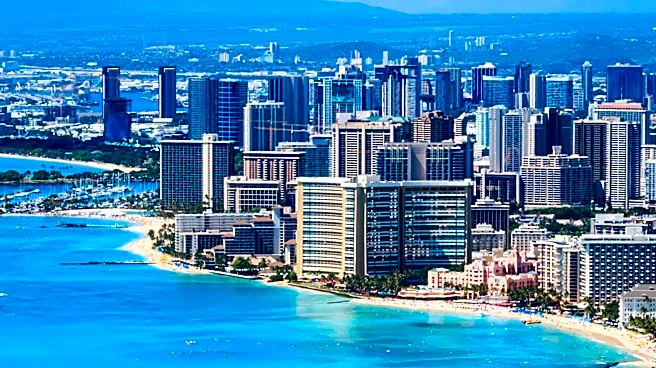
Hawaii continues to hold the distinction of having the lowest effective property tax rate in the United States, with homeowners paying approximately 0.29% of their home's value annually. This rate is at the bottom of the national range tracked by the Tax
Foundation. This structural advantage is attributed to Hawaii's unique administrative setup, where counties manage property taxes, and the state operates a single statewide public school system funded at the state level. This removes a significant cost driver that typically pushes local property levies higher in other states. Additionally, Hawaii generates substantial revenue through its general excise tax, which broadly applies to goods and services, and through taxes on tourism and transient accommodations. These alternative revenue streams reduce the pressure on counties to increase homeowner property tax rates to fund essential services. While the percentage rate is low, the high median home values in Hawaii, particularly on islands like Oahu and Maui where properties can exceed $1 million, still result in substantial annual tax bills for homeowners.
Why It's Important?
Hawaii's consistently low property tax rate has significant implications for its residents, economy, and public policy. For homeowners, particularly those with primary residences, the system offers a financial advantage compared to many other states, even with high property values. The state's reliance on a broad general excise tax and tourism-related taxes means that the burden of funding public services is distributed differently than in states heavily dependent on property taxes. This approach can make Hawaii an attractive location for residents, though the high cost of living, driven by expensive real estate, remains a factor. The distinction between resident and non-resident property owners, with higher taxes for non-owner-occupied homes, residential investment properties, and short-term rentals, reflects a policy choice to protect local residents from the full impact of property taxation while generating revenue from external sources and investors. This policy also influences the real estate market, potentially discouraging speculative investment in non-primary residences.
What's Next?
Hawaii's property tax structure is expected to remain stable, given its long-standing nature and the embedded mechanisms that keep rates low. The state's continued reliance on its general excise tax and tourism revenue will likely persist as key components of its fiscal strategy. Any significant changes to property tax rates would likely stem from shifts in state-level funding for public services or a substantial decline in tourism or general economic activity, which would then place greater pressure on county-level revenue generation. However, the current system, which differentiates between resident and non-resident property owners through exemptions and varied tax classes, is likely to continue. This approach allows counties to maintain lower rates for primary residences while still collecting significant revenue from high-value properties and investment holdings. Future discussions may focus on balancing the need for public services with the desire to maintain affordability for residents amidst high property values.
Beyond the Headlines
The structural explanation for Hawaii's low property tax rate reveals a deeper philosophical approach to public finance. By centralizing public school funding at the state level and diversifying revenue streams through broad excise taxes and tourism, Hawaii mitigates the direct financial pressure on local property owners that is common in many other states. This model highlights a different way to fund essential services, potentially offering lessons for states grappling with high property tax burdens. The distinction in tax rates for residents versus non-residents also underscores a policy aimed at preserving local community interests and potentially managing the impact of external investment on housing affordability. This approach reflects a broader cultural and economic context where land is a precious commodity and local residency is prioritized. The long-term sustainability of this model depends on the continued strength of its tourism sector and the effectiveness of its general excise tax in generating sufficient revenue to support state and local services.