






What's Happening?
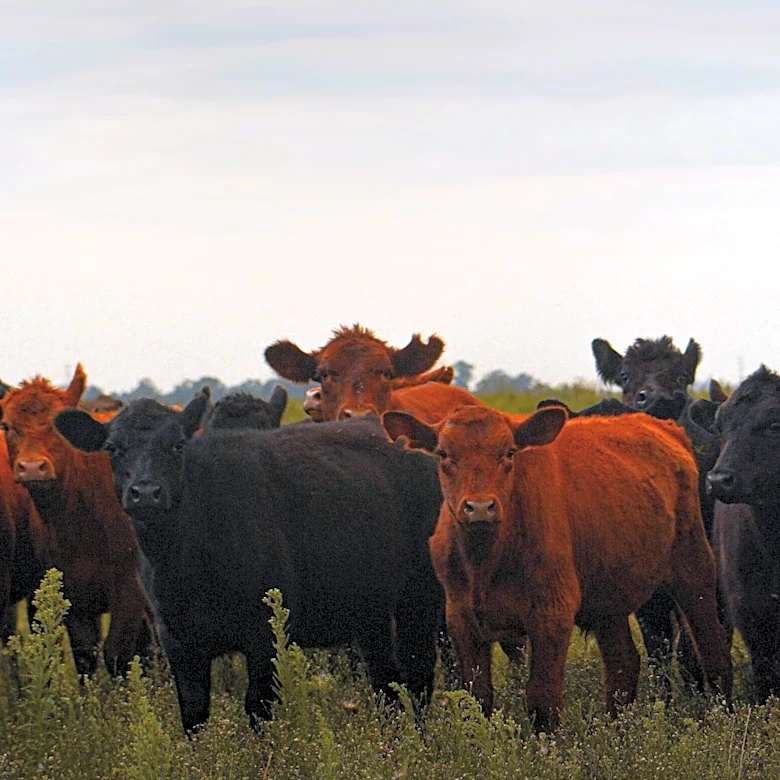
The U.S. Department of Agriculture’s (USDA) Animal and Plant Health Inspection Service (APHIS) has confirmed the first case of highly pathogenic avian influenza (HPAI) H5N1, genotype B3.13, in a dairy cattle herd in Indiana. This detection, made through
PCR testing by APHIS’s National Veterinary Services Laboratories, adds Indiana to the growing list of states affected by the outbreak, bringing the total to 21. The specific H5N1 lineage, genotype B3.13, has been circulating in U.S. dairy cattle since March 2024. The virus was identified via the National Milk Testing Strategy, a nationwide program that screens bulk raw milk, rather than through reported clinical signs from producers or state veterinarians. APHIS is collaborating with the Indiana State Board of Animal Health to investigate how the virus reached the herd.
Why It's Important?
The confirmation of HPAI in an Indiana dairy herd is significant as it further expands the geographical reach of the outbreak, indicating the virus's continued ability to find new routes into herds nearly three years after its initial identification. While federal health authorities maintain that the case poses a low risk to the general public and does not affect the safety of the commercial milk supply, the spread to more states underscores the persistent challenge of containing the virus. The reliance on the National Milk Testing Strategy for detection highlights the importance of proactive surveillance in managing such outbreaks. The ongoing spread could lead to increased economic pressure on dairy farmers through potential herd losses, testing requirements, and biosecurity measures, impacting the stability of the dairy industry in affected regions.
What's Next?
APHIS will continue its on-farm investigations, diagnostic testing, and epidemiological data collection with the Indiana State Board of Animal Health to determine the source of the infection and prevent further spread. The agency's overall strategy for eradicating HPAI from the national dairy herd remains unchanged, focusing on surveillance and containment. Vaccine development for dairy cows is ongoing, with several candidates undergoing field trials, though none are yet approved for commercial use. The voluntary Dairy Herd Status Program, which allows producers to demonstrate their herds are virus-free through structured testing, will likely see continued participation. The expansion of the outbreak to more states may prompt a review of existing biosecurity protocols and potentially lead to enhanced measures to protect dairy herds nationwide.
Beyond the Headlines
The persistent spread of HPAI in dairy cattle, despite assurances of low public risk, raises broader questions about zoonotic disease transmission and the resilience of agricultural systems. The virus's ability to jump from wild birds or poultry to dairy herds, and its continued expansion, highlights the complex ecological interactions that can impact livestock health. This situation could accelerate research into novel disease prevention and control strategies, including advanced vaccine technologies and improved biosecurity practices across the agricultural sector. There are also potential long-term implications for consumer confidence in dairy products, even with federal assurances, which could influence market dynamics. The ongoing challenge underscores the critical need for robust veterinary public health infrastructure and inter-agency collaboration to manage emerging infectious diseases in animal populations.