





What's Happening?
Hunting and fishing regulations in the U.S. are increasingly becoming a point of contention among sportsmen due to their complexity and the slow pace of regulatory changes. Hunters often express frustration with laws that can vary significantly even within
county boundaries, leading to confusion and potential violations, such as a hunter receiving a ticket for doe hunting on the wrong side of a county line. The issue is exacerbated by rapid advancements in hunting technology and gear, which often outpace the regulatory framework. New products like lighted bow sights, different muzzleloader designs, or new caliber firearms may not fit within existing laws, requiring game management agencies to undertake lengthy legislative processes to update regulations. This creates a disconnect between the availability of modern equipment and its legal use, leading to calls for clearer, more unified rules.
Why It's Important?
The ongoing challenges with hunting and fishing regulations have significant implications for U.S. sportsmen, wildlife management, and the outdoor recreation industry. The complexity of rules can deter new participants, particularly women, from engaging in hunting, impacting the long-term sustainability of these activities. Furthermore, the slow adaptation of regulations to technological advancements can create legal ambiguities for hunters and complicate enforcement for game wardens. This situation highlights a broader issue of governance in rapidly evolving sectors, where legislative processes struggle to keep pace with innovation. The lack of unity among hunters and fishermen regarding these rules also underscores a need for better communication and collaboration between state agencies and the hunting community to ensure regulations are both effective for wildlife conservation and practical for sportsmen.
What's Next?
Addressing the complexities in hunting and fishing regulations will likely involve continued efforts by state agencies to streamline and clarify rules, potentially through more accessible educational materials and direct communication channels. There may be increased pressure from hunting and fishing advocacy groups for legislative bodies to expedite the process of updating laws to accommodate new technologies. Discussions are also expected to continue regarding the balance between state authority over wildlife and the desires of individual landowners to manage game on their property. Hunters are encouraged to proactively familiarize themselves with current regulations and seek clarification from official sources like local Departments of Natural Resources, rather than relying on informal advice, to avoid legal issues.
Beyond the Headlines
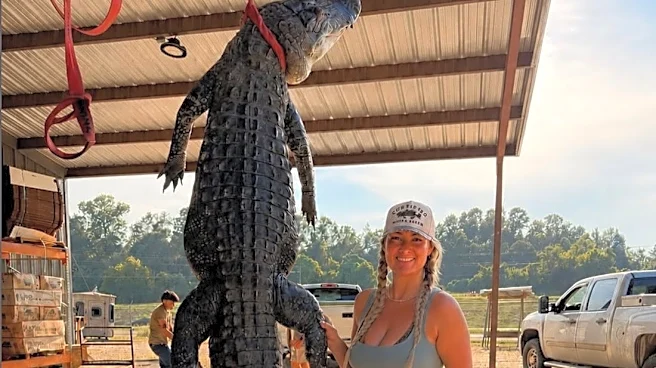
The debate over hunting regulations touches upon deeper philosophical questions regarding individual freedoms versus collective resource management. While some hunters advocate for more autonomy in managing wildlife on their own land, state agencies maintain that wildlife is a public resource requiring a centralized framework for conservation. This tension reflects broader societal discussions about property rights, environmental stewardship, and the role of government in regulating recreational activities. The increasing participation of women in hunting, as highlighted by 'girls only' elk hunts, also signals a cultural shift within the sport, potentially leading to new perspectives and demands for more inclusive and understandable regulations. The challenge of integrating technological progress into traditional practices will continue to shape the future of hunting and conservation efforts.