






What's Happening?
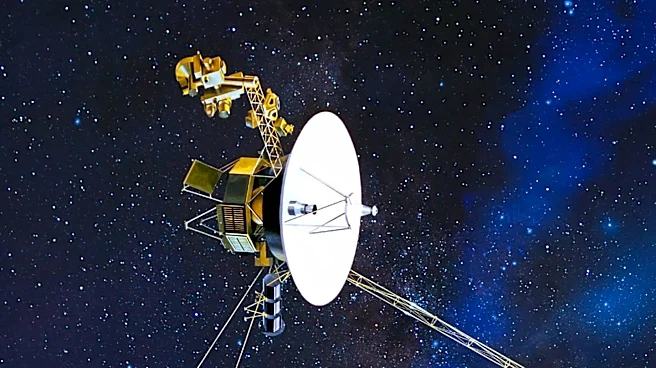
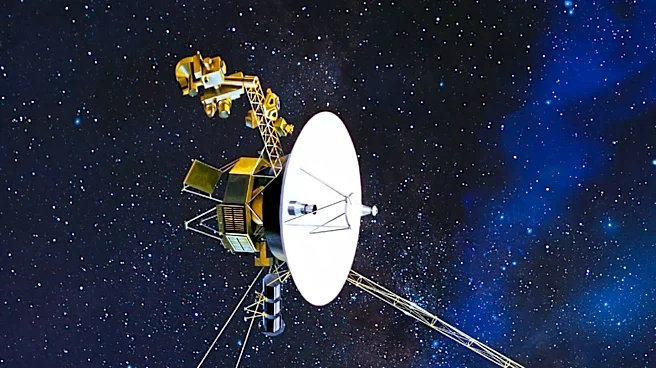
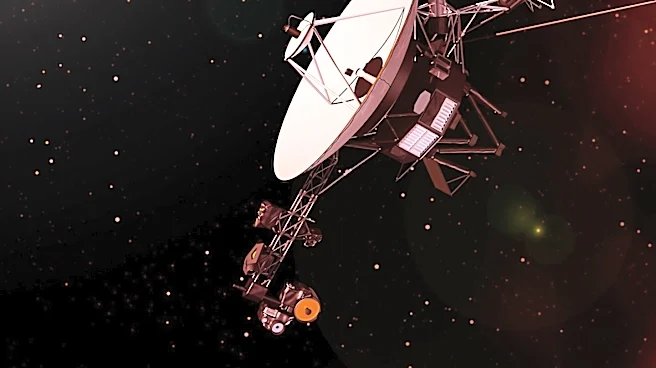
NASA engineers have implemented power-saving measures to extend the operational life of the Voyager 2 spacecraft. By shutting down certain components and replacing them with more energy-efficient options, the team has freed up additional power, allowing
Voyager 2 to continue its scientific work for at least another year. This effort, known as the 'Big Bang,' was necessary due to the spacecraft's diminishing power supply from its radioisotope thermoelectric generators. The same measures are planned for Voyager 1, which is currently farther from Earth.
Why It's Important?
The Voyager missions have provided invaluable data about our solar system and beyond for nearly 50 years. Extending the operational life of Voyager 2 ensures that it can continue to contribute to our understanding of the outer solar system and interstellar space. The power-saving measures demonstrate NASA's commitment to maximizing the scientific return from its missions, even as the spacecraft age. This extension allows for continued exploration and data collection, which is crucial for advancing our knowledge of space.
What's Next?
NASA plans to implement similar power-saving measures on Voyager 1 to extend its mission as well. The continued operation of both Voyager spacecraft will provide more opportunities for scientific discoveries and insights into the outer reaches of our solar system. As the spacecraft continue their journey, they will gather data that could inform future missions and enhance our understanding of the universe. The success of these measures may also influence strategies for extending the life of other long-term space missions.