





What's Happening?
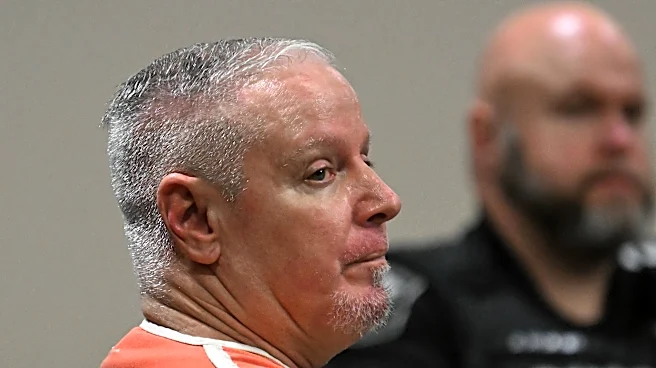
Samuel Tunick, an environmental activist, is facing charges for allegedly destroying evidence by wiping his phone during an airport interrogation in Atlanta. Tunick, who opposes the construction of a police training center in Georgia, was questioned by CBP
and FBI agents upon returning from the Dominican Republic. He allegedly provided a passcode that triggered a software to erase the phone's contents. Tunick's lawyers argue that his constitutional rights were violated, as he was denied legal representation and subjected to a warrantless search.
Why It's Important?
This case raises significant legal and constitutional questions about the rights of individuals at U.S. borders. The legality of warrantless searches and the protection of digital privacy are central issues, as courts have previously upheld such searches. The outcome of this case could impact future legal interpretations of the Fourth Amendment and the balance between national security and individual rights. It also highlights the challenges activists face when opposing government projects, potentially influencing public perception and policy.
What's Next?
The case is set to proceed in a U.S. District Court, where the arguments regarding constitutional rights and the legality of the search will be examined. The decision could set a precedent for how digital privacy is treated at borders and influence future cases involving activists. The broader implications for civil liberties and government surveillance practices will be closely watched by legal experts and civil rights organizations.