
What's Happening?
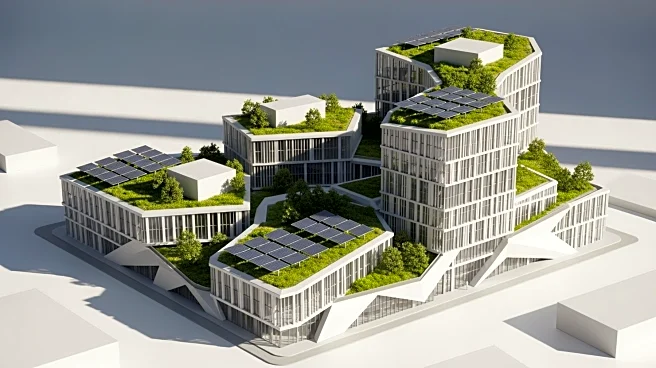
Experts in student housing are calling for innovative approaches in the design and development of student accommodations. Key figures in architecture and construction emphasize the importance of creating
spaces that encourage social interaction and community building among students. James Sink from HMC Architects suggests designing first-year student living spaces to be slightly uncomfortable to promote socialization in common areas. Additionally, experts like Lorne Bourdo from OZ Architecture stress the need for early coordination with civil and MEP teams to ensure all necessary utilities are in place. The importance of diverse design teams and listening to student preferences is also highlighted, as noted by Ben Kasdan of KTGY and Sara G. Stein of Page. The call for innovation extends to balancing standardization with unique project needs, as Ian Dickensen from Sasaki points out the growing innovation in housing typologies.
Why It's Important?
The push for innovation in student housing is crucial as it addresses the evolving needs of students and the educational institutions that serve them. By focusing on community-building and social interaction, these developments can enhance the overall student experience, potentially leading to better academic outcomes and personal growth. The emphasis on diverse design teams and listening to student preferences ensures that housing solutions are inclusive and reflective of the student body's needs. This approach can also lead to more sustainable and efficient use of resources, as early planning and coordination can prevent costly delays and ensure that projects meet their intended goals. As universities compete to attract and retain students, innovative housing solutions can serve as a key differentiator.
What's Next?
Moving forward, developers and educational institutions are likely to continue exploring new design concepts and technologies to enhance student housing. This may include the integration of smart technologies, sustainable building practices, and flexible living arrangements that can adapt to changing student needs. Collaboration between architects, developers, and university stakeholders will be essential to ensure that these projects are successful. As the demand for student housing grows, particularly in urban areas, innovative solutions will be critical to meeting this demand while maintaining affordability and accessibility. The insights from industry experts will likely influence future projects, encouraging a shift towards more thoughtful and student-centered housing developments.