



What's Happening?
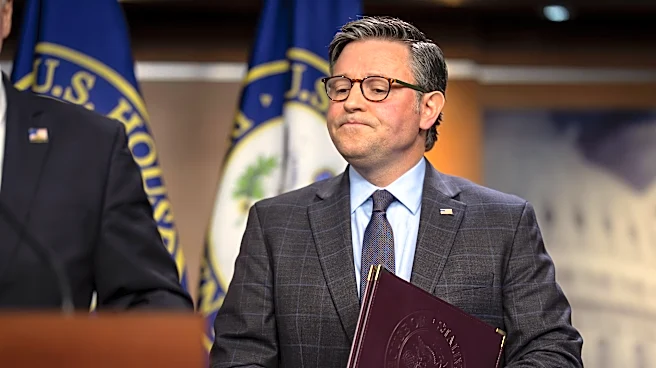
Representative Robin Kelly, along with her colleagues, is urging Speaker Johnson to immediately bring the 'Restore Trust in Government Act' to the floor for a vote. The core of this legislative push is to implement a genuine ban on stock trading for Washington
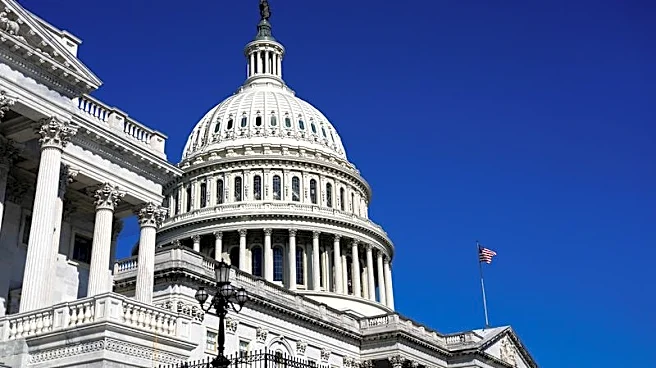
politicians. Representative Kelly's statement emphasizes the need for a "REAL stock trading ban" for members of Congress, distinguishing it from any legislation that might be perceived as a "voter suppression bill." This call comes as Congress returns from recess, indicating a renewed effort to address concerns about potential conflicts of interest arising from lawmakers' financial activities.
Why It's Important?
The push for a congressional stock trading ban is a significant development in the ongoing debate about ethics and transparency in U.S. politics. Public trust in government institutions has been a recurring concern, and the ability of lawmakers to trade individual stocks while privy to sensitive information has often been cited as a source of potential corruption or unfair advantage. A robust ban could enhance public confidence in the integrity of legislative processes and decision-making. It addresses the perception that politicians might prioritize personal financial gains over the public interest. Such a ban could also set a precedent for stricter ethical guidelines across various levels of government, potentially influencing future legislation aimed at reducing conflicts of interest among public servants. The distinction Representative Kelly makes between a "REAL" ban and a "voter suppression bill" suggests that the specifics of any proposed legislation will be closely scrutinized for its true intent and impact.
What's Next?
The immediate next step is for Speaker Johnson to decide whether to bring the 'Restore Trust in Government Act' to the House floor for a vote. The urgency expressed by Representative Kelly and her colleagues suggests that there will be continued pressure from within Congress to address this issue. Should the bill be brought to a vote, its passage would depend on bipartisan support, as similar efforts have faced hurdles in the past. Even if passed by the House, the bill would then need to navigate the Senate, where it could face further amendments or opposition. The debate surrounding this act will likely involve discussions about the scope of the ban, potential exemptions, and enforcement mechanisms. The outcome will be closely watched by ethics watchdogs, the public, and financial markets, as it could significantly alter the financial landscape for elected officials.
Beyond the Headlines
Beyond the immediate legislative implications, the call for a stock trading ban touches upon deeper issues of democratic accountability and the evolving expectations of public service. In an era of heightened scrutiny and public demand for transparency, the financial activities of elected officials are increasingly under the microscope. A successful ban could symbolize a commitment to prioritizing public trust over personal enrichment, potentially fostering a more ethical political culture. Conversely, resistance to such a ban could further erode public confidence, reinforcing perceptions of a political elite disconnected from the concerns of ordinary citizens. The debate also highlights the tension between individual financial freedom and the ethical obligations of public office, a balance that societies continually grapple with. The outcome of this legislative effort could therefore have long-term implications for how the public views and interacts with its elected representatives.