

What's Happening?
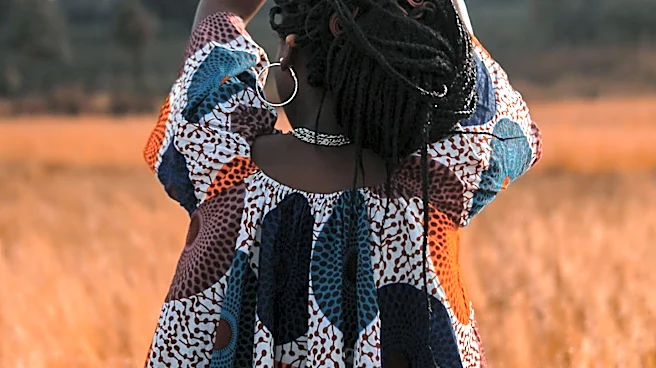
International Medical Corps is supporting women in South Sudan through village savings and loan associations (VSLAs) and livelihood-skills training. This initiative helps women like Lina James Tipo and Mary Nyamuoka Bol overcome challenges such as conflict,
flooding, and rising costs to achieve financial independence. Lina, a mother of 10, expanded her business from selling fish to fruits and vegetables after joining a VSLA and receiving a loan. Mary, whose home was destroyed by floods, gained psychosocial support, livelihood skills, and a cash grant through an International Medical Corps-supported women’s and girls’ safe space (WGSS) and VSLA, enabling her to start a kitchen garden. These programs provide financial literacy, business management skills, and access to capital, allowing women to invest in small businesses and support their families.
Why It's Important?
This initiative is crucial for empowering women in South Sudan, a region severely impacted by conflict and environmental disasters. By providing financial literacy, business skills, and access to capital through VSLAs, International Medical Corps is directly addressing economic instability and fostering self-reliance among vulnerable populations. The success stories of Lina and Mary demonstrate how these programs enable women to generate income, cover essential expenses like food, education, and healthcare, and improve their families' overall well-being. This approach not only alleviates immediate financial burdens but also builds long-term economic resilience, contributing to community stability and reducing dependency on external aid. The focus on women's empowerment also has broader societal benefits, as women often reinvest their earnings into their families and communities.
What's Next?
The International Medical Corps plans to continue and potentially expand its support for VSLAs and livelihood-skills training in South Sudan. The success of women like Lina and Mary is expected to encourage more women to join these programs, further strengthening community-led economic development. The organization will likely monitor the progress of these women, providing ongoing support and advanced training as needed to help them scale their businesses. There is also potential for these programs to be replicated in other vulnerable regions, adapting the model to suit local contexts and needs. The long-term goal is to create sustainable economic opportunities that empower women to become agents of change within their communities, fostering greater stability and prosperity.
Beyond the Headlines
The empowerment of women through economic initiatives in South Sudan carries profound implications beyond mere financial gain. It challenges traditional gender roles by positioning women as key economic contributors and decision-makers within their households and communities. The provision of safe spaces, alongside financial training, addresses the holistic needs of women, including psychosocial support, which is vital in post-conflict and disaster-affected areas. This integrated approach recognizes that economic empowerment is intertwined with mental well-being and protection from violence. By fostering financial independence, these programs also enhance women's agency and voice, contributing to broader social transformation and resilience against future shocks. This model serves as a powerful example of how humanitarian aid can transition from immediate relief to sustainable development, building stronger, more equitable societies.