






What's Happening?
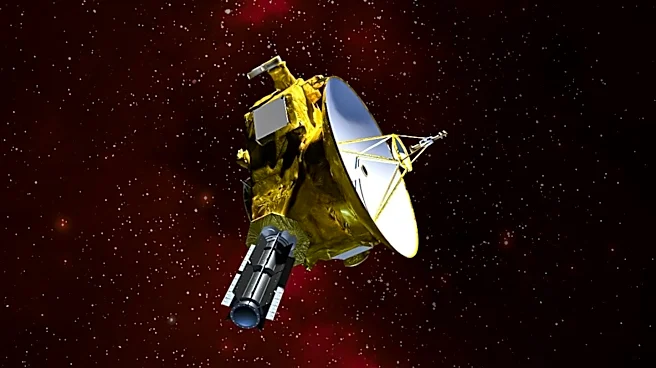
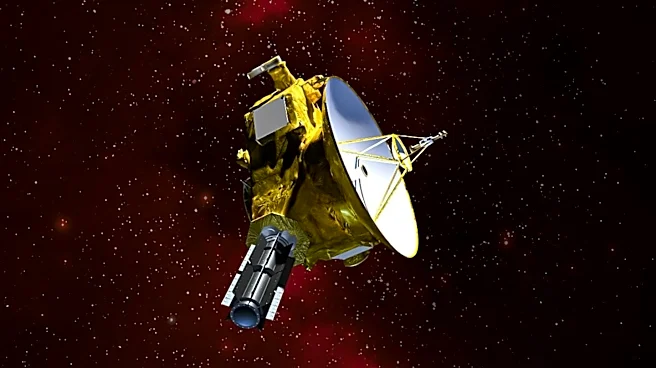
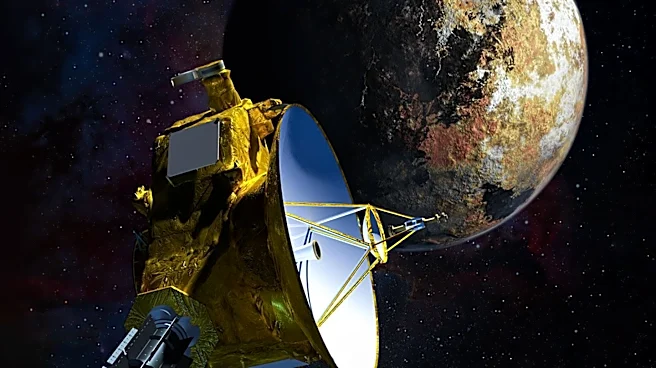
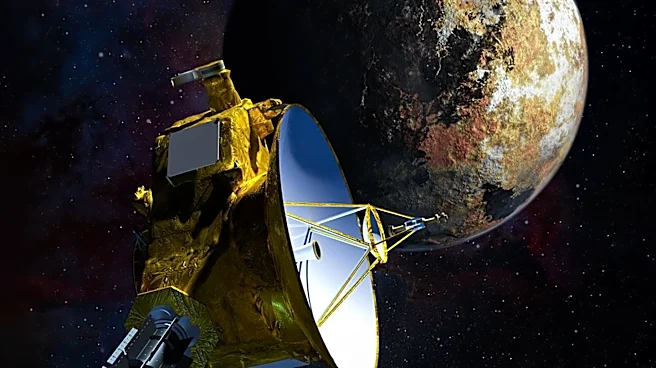
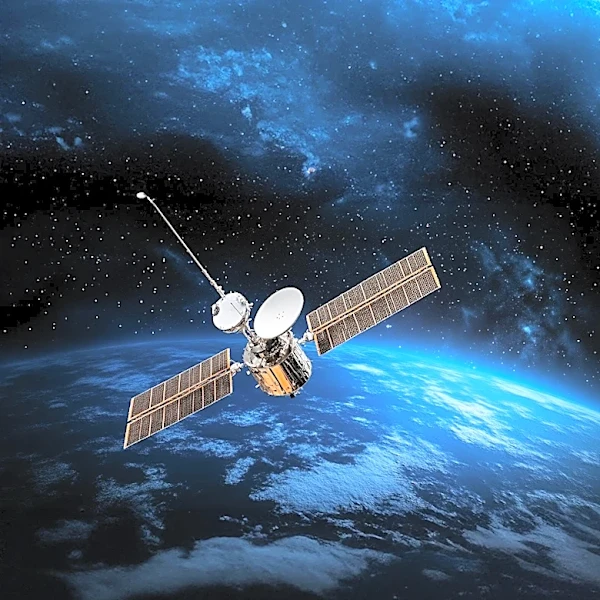
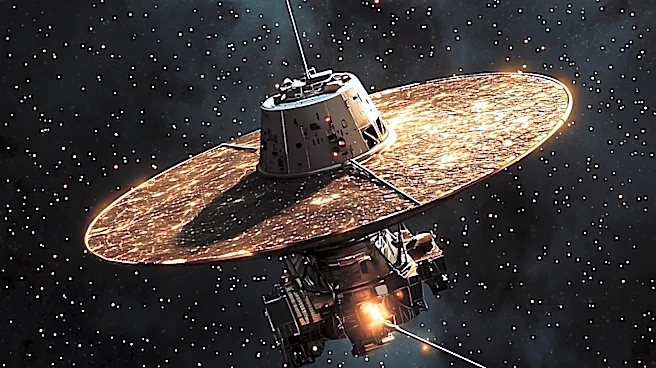
NASA's New Horizons spacecraft has emerged from a 321-day hibernation, ready to resume its mission in the outer reaches of the solar system. Located six billion miles from Earth, the spacecraft is set to provide new data on the Kuiper Belt and the heliosphere.
During its hibernation, New Horizons continued to collect and store information, and it has now reported back in good health. The mission team is preparing to download data from the spacecraft's instruments, which include the Venetia Burney Student Dust Counter, the Pluto Energetic Particle Spectrometer Science Investigation, and the Solar Wind at Pluto. These instruments will help scientists study space dust, energetic particles, and solar wind interactions.
Why It's Important?
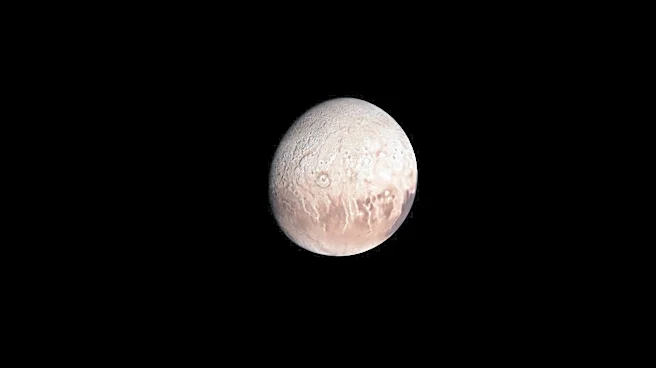
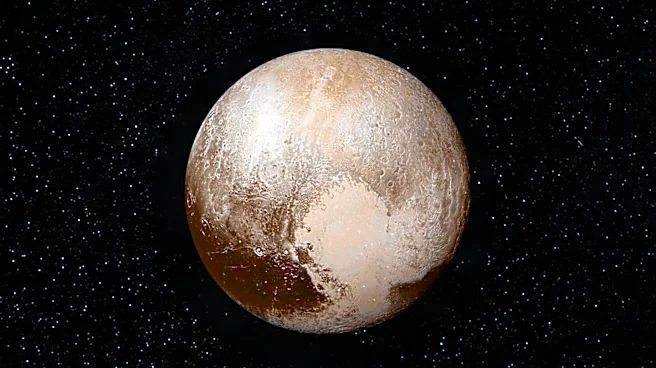
The data from New Horizons will contribute to our understanding of the solar system's formation and the characteristics of the Kuiper Belt, a region filled with icy bodies and remnants from the solar system's early days. This mission builds on New Horizons' previous achievements, including the first close-up exploration of Pluto and the Kuiper Belt object Arrokoth. The insights gained from this mission could inform future space exploration efforts and enhance our knowledge of the solar system's outer boundaries. The mission's success highlights the importance of long-term scientific endeavors and the potential for groundbreaking discoveries in space.
What's Next?
In the coming weeks, the New Horizons team will focus on retrieving and analyzing data from the spacecraft's instruments. The mission will continue to study the heliosphere and the Kuiper Belt, with a particular focus on the distribution of hydrogen gas and solar wind interactions. The team is also working on software upgrades to ensure the spacecraft's continued operation. As New Horizons progresses, it will provide valuable data that could refine our understanding of the solar system's outer regions and inform future missions aimed at exploring interstellar space.