






What's Happening?
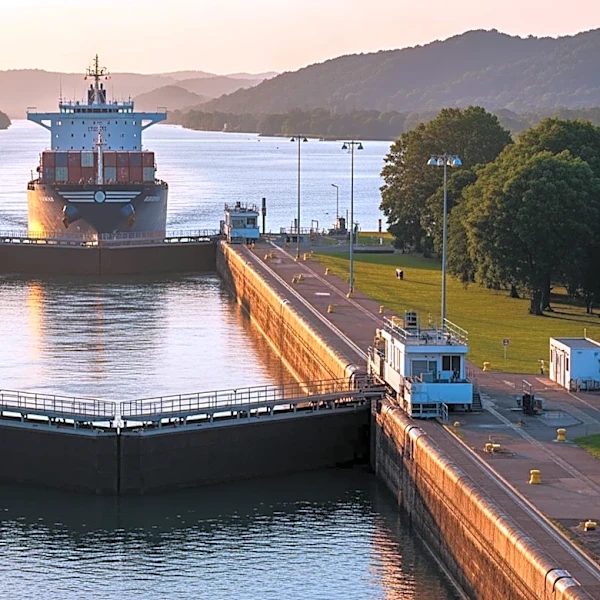
Hong Kong is solidifying its position as a major commodity trading hub, with the number of London Metals Exchange (LME)-approved warehouses in the city increasing from four to 15. This expansion is part of a broader strategy by the Hong Kong Exchanges
and Clearing (HKEX) to enhance market access and develop a comprehensive commodity ecosystem in Asia. The Financial Secretary of the Hong Kong Special Administration Region, Paul Chan, emphasized the strategic importance of Hong Kong in connecting China with global supply chains, especially in the context of current geopolitical tensions and market volatility. The city is also focusing on innovation and the role of metals as essential components in the technological era driven by artificial intelligence.
Why It's Important?
Hong Kong's growing role as a commodity trading hub is significant for global supply chains, particularly in the metals market. The increase in LME-approved warehouses indicates a rising demand for metals trading in the region, which could lead to greater economic integration between China and global markets. This development is crucial as it provides strategic access to both global and Chinese capital, potentially boosting Hong Kong's economy. Additionally, the focus on innovation and technology highlights the city's adaptability in a rapidly changing global market, positioning it as a key player in the future of commodity trading.
What's Next?
Hong Kong is expected to continue expanding its infrastructure and capabilities to support its role as a commodity trading hub. This includes potential new initiatives by the HKEX to introduce more trading structures such as futures and options. The city's strategic position may attract more international companies seeking to leverage its connections and capital access. As geopolitical tensions persist, Hong Kong's role in stabilizing and diversifying global supply chains will likely become increasingly important.