








What's Happening?
A recent report by the United States Government Accountability Office (GAO) has identified several actions to enhance the surveillance of emerging infectious diseases in the U.S. The report emphasizes the need for improved collaboration, data quality,
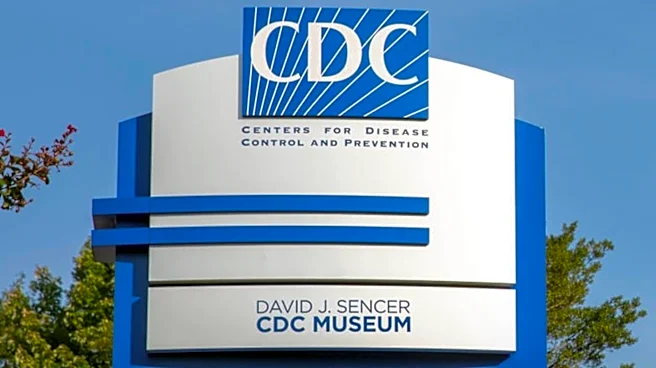
and communication strategies among federal agencies. The Centers for Disease Control and Prevention (CDC) and other federal entities are responsible for disease surveillance, which involves systematic data collection and analysis to detect and respond to health threats. The GAO convened a roundtable of experts who suggested creating a multisectoral leadership group to unify efforts across human and animal health sectors. The report also highlights the importance of developing a comprehensive national strategy for disease surveillance to reduce data duplication and improve interagency collaboration.
Why It's Important?
The GAO report underscores the critical role of effective disease surveillance in protecting public health and national security. Emerging infectious diseases, such as COVID-19, pose significant threats due to their potential for widespread outbreaks. Improved surveillance can lead to early detection and better management of such diseases, ultimately saving lives and reducing economic impacts. The report's recommendations aim to address existing gaps in the U.S. surveillance system, which could enhance the country's preparedness for future pandemics. By fostering better collaboration and data sharing, the U.S. can strengthen its public health infrastructure and response capabilities.
What's Next?
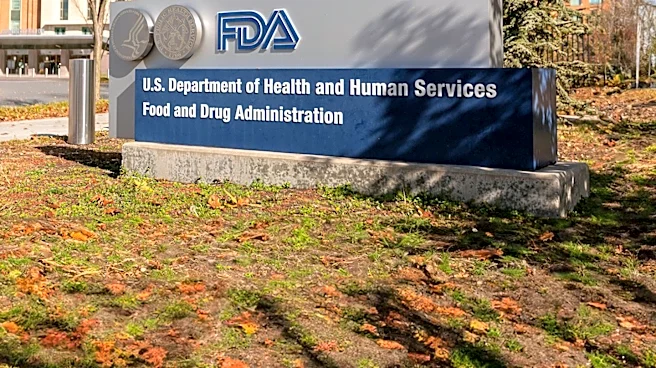
The GAO report provides a roadmap for federal agencies to assess and implement the suggested improvements in disease surveillance. Agencies like the CDC and the Department of Health and Human Services (HHS) are expected to evaluate the feasibility of these recommendations and consider integrating them into their current strategies. The creation of a multisectoral leadership group and the development of a national surveillance strategy could be pivotal steps in enhancing the U.S. public health response. Stakeholders, including federal and state agencies, healthcare providers, and international partners, may need to collaborate closely to implement these changes effectively.