






What's Happening?
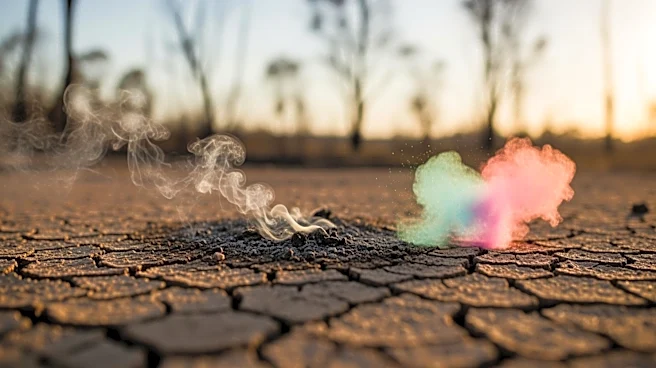
A 2020 gender reveal party in California led to a devastating wildfire after a pyrotechnic device ignited dry grass, resulting in the death of firefighter Charles Morton. The fire, known as the El Dorado Fire, burned nearly 23,000 acres over two months.
The couple responsible for the event pleaded guilty to criminal charges and were ordered to pay restitution. Recently, three companies involved in the design, import, and marketing of the smoke bomb used at the party agreed to a $4 million settlement with the U.S. government. This settlement covers the costs incurred by the U.S. Forest Service in fighting the fire and the damage to federal land. The companies were accused of failing to properly label the smoke bombs and warn consumers of their fire risks, despite knowing the dangers.
Why It's Important?
This case is significant as it marks a rare instance where manufacturers are held liable for a wildfire caused by their products. Typically, lawsuits for wildfires target utility companies, which are often seen as directly responsible due to their infrastructure. The settlement highlights the potential for manufacturers to face legal consequences if their products contribute to such disasters, especially when they fail to provide adequate warnings. This could lead to increased scrutiny and regulatory pressure on companies to ensure their products are safe and properly labeled, potentially impacting how products are marketed and sold in high-risk areas like California.
What's Next?
The settlement may prompt other manufacturers to reassess their product safety measures and labeling practices, particularly for items that could pose fire risks. It could also lead to more stringent regulations and enforcement actions by government agencies to prevent similar incidents. Additionally, the case might influence future legal strategies, encouraging more lawsuits against manufacturers whose products contribute to wildfires, thereby shifting some accountability from consumers to producers.
Beyond the Headlines
The case underscores the broader issue of accountability in wildfire prevention and the role of consumer products in exacerbating fire risks. It raises questions about the balance of responsibility between manufacturers and consumers, especially in states like California where fire hazards are prevalent. The legal precedent set by this case could lead to more proactive measures by companies to mitigate risks associated with their products, potentially influencing industry standards and consumer safety practices.