







What's Happening?
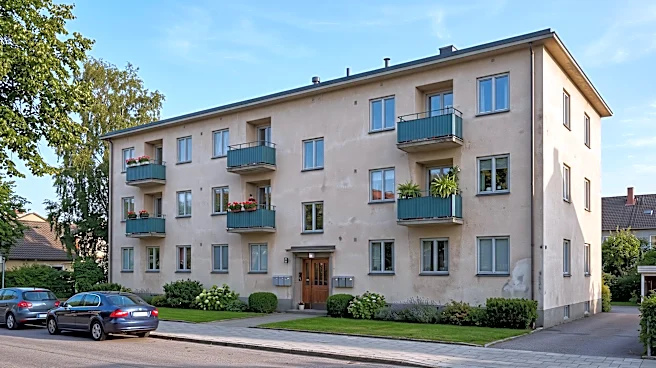
Tenants in East Palo Alto's Woodland Park neighborhood, specifically at 201, 245, and 301 East O’Keefe Street, have been granted rent reimbursements and reductions by the East Palo Alto Rent Stabilization Board. This decision comes after residents, organized
under the East O’Keefe Tenant Association, filed formal complaints against their landlord, Sand Hill Property Company, citing poor living conditions including pest infestations, mold, and broken appliances. The rent board ruled that Sand Hill had unreasonably delayed repairs and failed to adequately address pest problems. For instance, tenants at 245 E. O’Keefe St. were awarded a 5% monthly rent reimbursement from September 2021 through May 2025 and a 5% rent reduction from June 2025 to May 2026. Tenants at 301 E. O’Keefe St. received reimbursements ranging from 7% to 22% for approximately two years, with continuous awards if issues like elevator malfunctions and leaky pipes persisted. Sand Hill Property Company, which owns a significant portion of Woodland Park, has appealed these decisions, arguing they should not be responsible for long-standing conditions.
Why It's Important?
This development highlights the ongoing struggle for affordable housing and tenant rights in rapidly developing areas like East Palo Alto, a region where real estate prices have escalated dramatically. The actions of the East O’Keefe Tenant Association demonstrate the power of community organizing in holding large property companies accountable for living conditions. The rent board's decision to grant relief, despite Sand Hill's appeals, sets a precedent for tenant protections and could encourage similar actions in other communities facing redevelopment pressures. The situation also underscores the tension between developers' plans for modernization and expansion, and the need to protect existing residents from displacement and ensure habitable living conditions. The outcome of these appeals and future development plans will significantly impact the demographic and economic landscape of East Palo Alto, potentially altering its long-standing identity as a bastion of affordable housing.
What's Next?
Sand Hill Property Company has appealed the rent board's decisions, asserting that it should not be held responsible for pre-existing conditions. The East Palo Alto rent board has, however, doubled down on its rent relief approval for 201 East O’Keefe St. and is working to clarify dates for prorated reimbursements and extend relief periods for unpaid residents. Residents of 245 and 301 East O’Keefe Street are still awaiting a final verdict on their appeals. Concurrently, Sand Hill's larger redevelopment plans for Woodland Park, which involve demolishing nearly 500 units and building over 1,000 new ones across two projects (O’Keefe-Manhattan and West Bayshore-Newell Improvements), are advancing through the city's development pipeline. The company maintains that no residents will be displaced, promising to replace all existing rent-controlled units and lock in current rent-stabilized rates. However, Sand Hill has also sought to reduce its obligation to provide affordable units, indicating potential shifts in the city's inclusionary housing requirements.
Beyond the Headlines
The conflict in Woodland Park extends beyond immediate rent disputes, touching upon deeper ethical and social implications of urban development. The long-term residents, many of whom have called East Palo Alto home for decades, face the existential threat of displacement and the erosion of their community's character. The city's historical commitment to protecting residents from rising living costs is being challenged by newer council members who prioritize housing production and economic development, potentially at the expense of stringent affordable housing protections. This situation reflects a broader national trend where rapid urbanization and gentrification push out lower-income residents, leading to concerns about social equity and the preservation of diverse communities. The ongoing negotiations and legal battles between tenants, developers, and city officials will shape the future of East Palo Alto, serving as a case study for how cities balance growth with social responsibility.