





What's Happening?
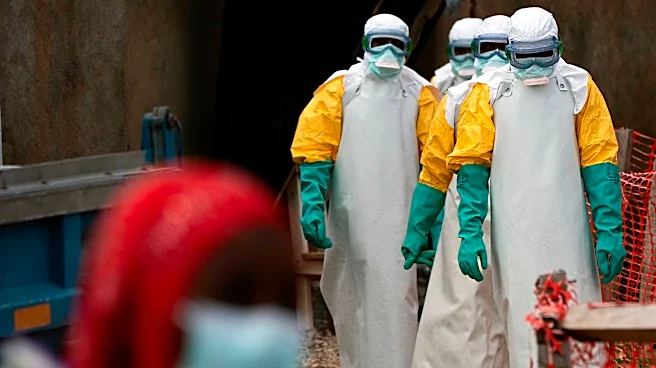
The World Health Organization (WHO) has declared an Ebola outbreak in the Democratic Republic of Congo and Uganda as a 'public health emergency of international concern'. The outbreak, caused by the Bundibugyo strain of the Ebola virus, has resulted in over
80 deaths and 246 suspected cases in Congo's Ituri province. The virus has also spread to Uganda, with confirmed cases in the capital, Kampala. The WHO has highlighted significant uncertainties regarding the true number of infected individuals and the geographic spread of the virus. The Bundibugyo strain is less common and currently has no approved vaccines or treatments, unlike the more prevalent Zaire strain.
Why It's Important?
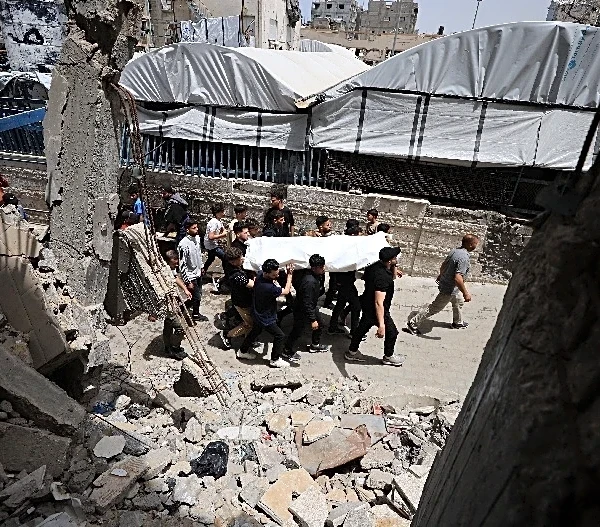
The declaration of a global health emergency underscores the severity of the outbreak and the potential for further spread. The lack of approved vaccines or treatments for the Bundibugyo strain poses a significant challenge to containment efforts. The outbreak's impact is exacerbated by ongoing conflict in the affected regions, which complicates the delivery of medical supplies and expertise. The WHO's declaration aims to mobilize international support and resources to address the crisis, highlighting the need for swift action to prevent a larger outbreak.
What's Next?
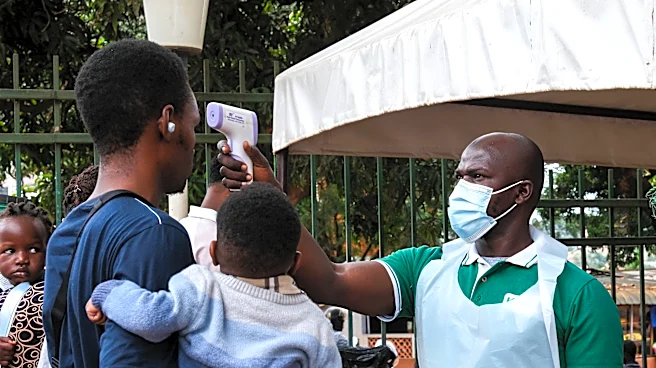
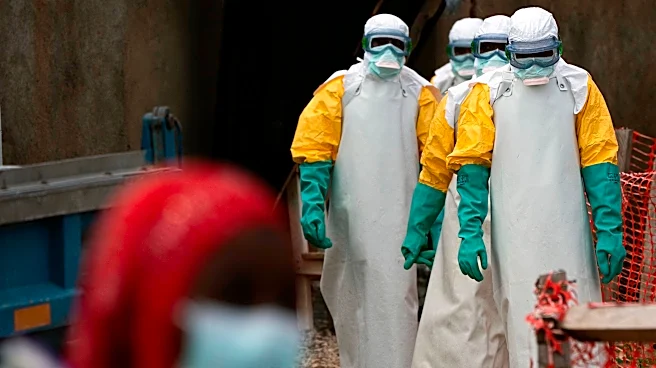
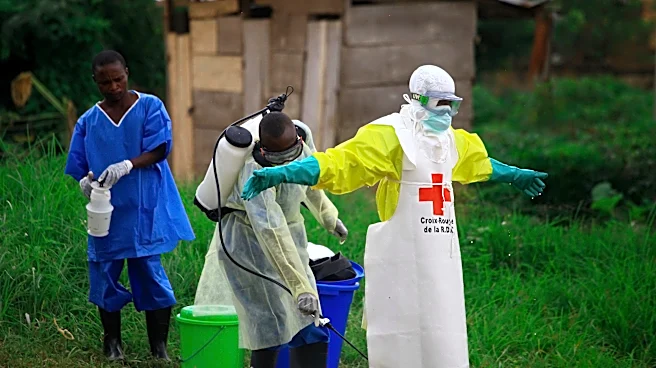
The WHO is coordinating with national authorities and partners to deploy additional resources and expertise to the affected regions. Efforts are underway to enhance infection prevention and control measures, and to improve diagnostic capacity for the Bundibugyo strain. The international community is expected to respond with increased support, including potential trials of early-stage vaccines and treatments. The situation remains fluid, with ongoing monitoring and assessment required to adapt response strategies as needed.