







What's Happening?
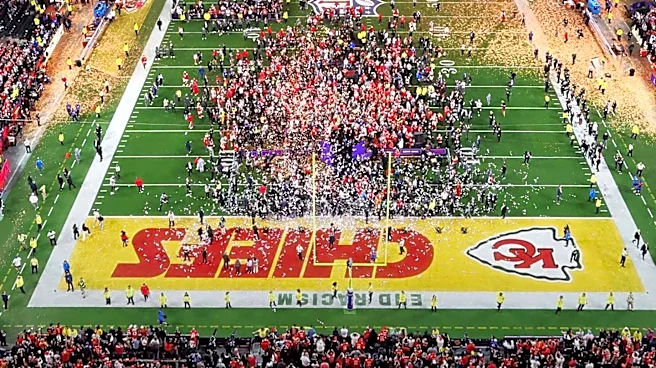
The Unified Government Commission has unanimously voted to settle its legal dispute with the state of Kansas regarding the Kansas City Chiefs stadium. The commission rescinded a home rule charter ordinance from October 8, which aimed to exempt the UG
from parts of the state’s new sports authority law. In a subsequent 10-to-0 vote, they amended their February STAR bond pledge, removing three state-requested conditions and expanding the local pledge area from approximately 240 acres to 440 acres. These actions are contingent on a fully signed written settlement with the state. The UG had filed a lawsuit against the state, the Kansas Sports Facilities Authority, and legislative officials on October 9, which was dismissed without prejudice on October 26, allowing for refiling if necessary. The settlement terms ensure the Board of Public Utilities (BPU) retains its claim to serve the stadium, with compensation if another electric provider is chosen, and BPU will supply the stadium's water. The UG will cede land use approval over the stadium itself but will be consulted by the stadium authority on other improvements, which will undergo normal local approvals. The state has also reconfirmed its commitment to fund the Central Avenue Bridge, estimated at $135 million, and will exempt the Quindaro Ruins area from the STAR bond district.
Why It's Important?
This settlement is crucial for the future of the Kansas City Chiefs stadium project, potentially paving the way for its development within the Unified Government's jurisdiction. The expansion of the local pledge area and the agreement on land use and utility services clarify the financial and operational framework for the stadium. The commitment of $135 million for the Central Avenue Bridge represents a significant infrastructure investment that will benefit the region, regardless of the stadium's direct profitability. The inclusion of the mayor on the sports authority board and a UG representative on the community impact committee ensures local input on a project with substantial community implications. While the financial projections for the STAR bonds are uncertain, the agreement provides a structured approach to a complex inter-governmental project, aiming to balance state and local interests. The resolution of the lawsuit also reduces legal uncertainties, which is vital for attracting and securing the necessary investments for such a large-scale development.
What's Next?
The next critical step is the full execution of the written settlement agreement between the Unified Government and the state. Until this document is signed, the UG's actions, including the rescinded ordinance and amended pledge, will not take effect. Once the settlement is finalized, the state will proceed with changes to the district and board seats as agreed. Only after these steps are completed will the UG dismiss its lawsuit with prejudice, preventing future refiling. Commissioners have also discussed the need to develop a clear spending plan for future stadium revenues, potentially for property tax or debt reduction. Additionally, the UG staff is encouraged to pursue legislative changes regarding the 1970 state law on highway money allocation, as the current formula disproportionately benefits a sparsely populated unincorporated area.
Beyond the Headlines
The unanimous vote by the Unified Government Commission highlights a significant shift towards inter-governmental cooperation after initial legal contention. This resolution underscores the complex interplay between local autonomy, state authority, and economic development incentives in large-scale public-private partnerships. The debate over STAR bonds and their revenue projections, as noted by Commissioner Andrew Kump, reveals the inherent challenges in forecasting economic benefits from such projects, particularly when dealing with undeveloped areas. The audit findings regarding the $40 million clerical error and the highway money allocation issue point to broader concerns about financial transparency and the need for updated legislative frameworks to reflect current demographic realities. The emphasis on infrastructure improvements, like the Central Avenue Bridge, suggests a recognition that broader community benefits, beyond direct stadium revenue, are critical for gaining local support for major developments.