




What's Happening?
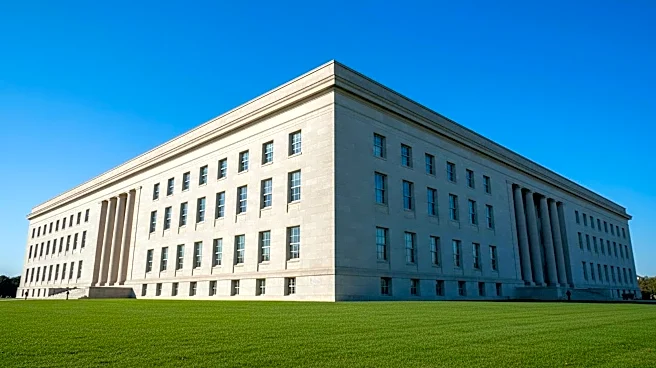
Speculation is growing that Pentagon chief Pete Hegseth is at increasing risk of losing his job, according to multiple anonymous sources familiar with the matter. These sources indicate that President Trump is losing patience with Hegseth due to the ongoing
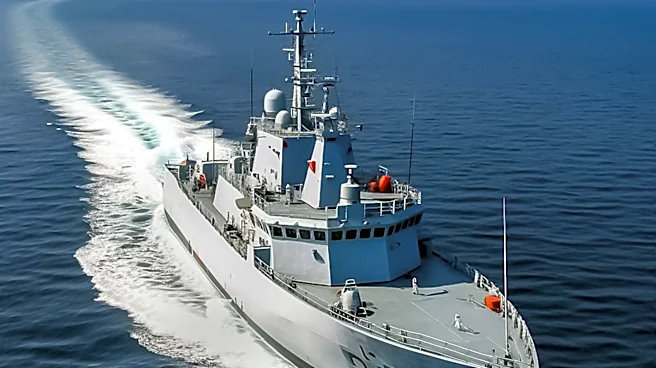
deadlock in the Iran war and a series of negative media reports. Concerns about the welfare of the crew on the USS Abraham Lincoln, which has been at sea for nine months reportedly facing food shortages and poor sanitary conditions, were also cited. The uncertainty surrounding Hegseth's position comes at a sensitive time for U.S.-China defense relations, which have shown signs of improvement since President Trump and Chinese President Xi Jinping met in Beijing in May. Sources familiar with engagements between the two countries' armed forces suggest that relations are currently the best they have been in over a decade, with contact at almost all levels during President Trump's second term.
Why It's Important?
The potential departure of Secretary Hegseth could significantly impact U.S. defense policy and, by extension, its international relations, particularly with China. A change in leadership at the Pentagon during a period of improved, yet still delicate, U.S.-China defense ties could introduce instability or alter the trajectory of these relations. The ongoing Iran war deadlock, cited as a key factor in President Trump's dissatisfaction, highlights the challenges and pressures faced by defense leaders in managing complex geopolitical conflicts. Furthermore, concerns about military personnel welfare, as seen with the USS Abraham Lincoln, can affect troop morale and public confidence in military leadership. This situation underscores the intricate interplay between domestic political pressures, military strategy, and international diplomacy.
What's Next?
If Secretary Hegseth were to be replaced, President Trump would need to nominate a new Pentagon chief, who would then undergo a Senate confirmation process. This transition could lead to a re-evaluation of U.S. military strategies, particularly concerning the Iran war and broader defense priorities. For U.S.-China defense relations, a new Secretary of Defense might either continue the current path of engagement or introduce new approaches, potentially impacting the recent improvements in communication and cooperation. The focus will be on how any leadership change might affect the stability of these critical bilateral ties and the U.S.'s overall defense posture in a complex global environment. The administration will likely seek to manage any transition to minimize disruption to ongoing military operations and diplomatic efforts.
Beyond the Headlines
The speculation surrounding Secretary Hegseth's job security reflects the inherent volatility of high-level political appointments, especially within an administration known for frequent personnel changes. The reported reasons for President Trump's dissatisfaction—the Iran war deadlock and concerns over military welfare—point to the immense pressure on defense leaders to deliver tangible results and maintain operational excellence. This situation also highlights the broader implications of U.S. domestic politics on its foreign policy and defense posture. The stability of U.S.-China defense ties, crucial for global security, could be influenced by the leadership style and priorities of a new Pentagon chief. This scenario underscores the delicate balance between political accountability, military effectiveness, and the continuity of international relations, particularly with strategic competitors like China.