







What's Happening?
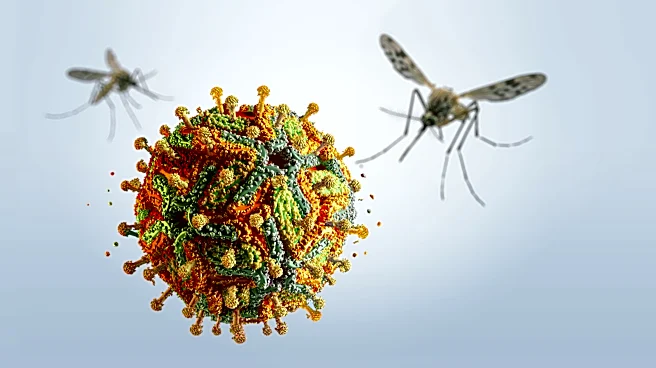
A third mosquito in Crawford County, specifically in Cambridge Springs, Pennsylvania, has tested positive for West Nile virus. This detection has prompted the Mercer County Conservation District to initiate additional monitoring in the affected area and
implement appropriate control measures. While no human cases of West Nile virus have been reported in Crawford County, residents and businesses in Cambridge Springs are advised to take extra precautions. These include applying insect repellent, wearing long-sleeved shirts and pants during dawn and dusk when mosquitoes are most active, and eliminating standing water sources where mosquitoes lay eggs. The virus can cause symptoms such as fever, body aches, nausea, vomiting, and a rash, with severe illness being a risk for individuals over 60 and those with compromised immune systems or certain medical conditions.
Why It's Important?
The detection of West Nile virus in mosquitoes in Cambridge Springs highlights an ongoing public health concern in Pennsylvania and across the U.S. Mosquito-borne diseases pose a significant risk, particularly during warmer months when mosquito populations are more active. The proactive measures taken by the Mercer County Conservation District are crucial in preventing the spread of the virus to humans. This situation underscores the importance of community-wide efforts in mosquito control, including the elimination of breeding habitats and personal protective measures. The potential for severe illness, especially among vulnerable populations, makes continuous surveillance and public awareness campaigns vital for mitigating health risks associated with West Nile virus.
What's Next?
Following the detection, additional monitoring will be conducted in the Cambridge Springs area to assess the extent of the West Nile virus presence. Control work, which may include larvicides or adulticides, will be implemented to reduce mosquito populations. Residents are encouraged to continue practicing preventive measures, such as using insect repellents and removing standing water from their properties. Public health officials will likely continue to monitor for human cases and provide updates to the community. The ongoing efforts aim to minimize the risk of human infection and control the spread of the virus within the local mosquito population.
Beyond the Headlines
The recurring presence of West Nile virus in mosquito populations across various U.S. regions, including Pennsylvania, points to a broader ecological and public health challenge. Climate change, leading to warmer temperatures and altered precipitation patterns, can influence mosquito breeding cycles and geographic distribution, potentially expanding the areas at risk for mosquito-borne diseases. This situation also highlights the interconnectedness of environmental health and human well-being, emphasizing the need for integrated vector management strategies that combine surveillance, public education, and environmental interventions. The long-term implications could involve increased resource allocation for vector control programs and a greater emphasis on community engagement in preventing such diseases.