






What's Happening?
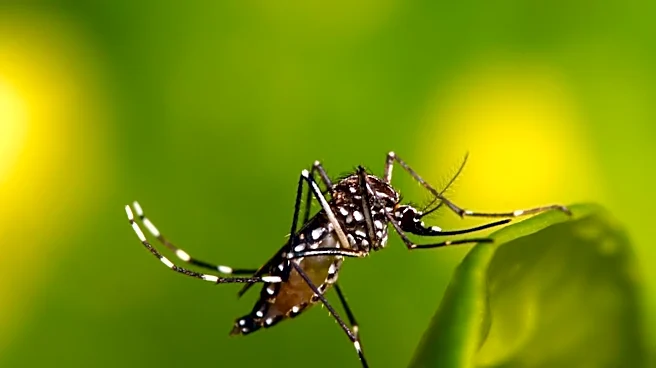
The tiger mosquito, a vector for dangerous tropical diseases like dengue, has established itself in Guimaraes, northern Portugal. Medical services and biologists have confirmed its presence in the city. This confirmation means the mosquito has now settled
in at least 29 Portuguese districts. It is suspected that the mosquito arrived in Guimaraes from Braga, where it was first observed in the autumn. While analyses of captured specimens have not yet found microorganisms causing tropical or other infectious diseases, officials and sanitary services are urging residents to eliminate all containers with standing water, as these provide breeding grounds for the mosquitoes. A special team has been formed in Guimaraes to monitor areas where the tiger mosquito (Aedes albopictus) could reproduce. Scientists from the National Institute of Health Dr. Ricardo Jorge (INSA) in Lisbon highlight dengue as the most dangerous tropical disease transmitted by this mosquito, which can also carry Zika and chikungunya.
Why It's Important?
The spread of the tiger mosquito in Portugal, a popular tourist destination, has significant implications for public health and the tourism industry. While currently no infections have been reported, the establishment of this vector increases the risk of outbreaks of diseases like dengue, Zika, and chikungunya. This could lead to increased healthcare burdens, particularly if outbreaks occur, and may necessitate public health campaigns for prevention and control. For the U.S., this development is important due to the potential for travelers returning from affected areas to introduce these diseases. U.S. health authorities may need to issue travel advisories or enhance surveillance for these mosquito-borne illnesses. The economic impact on Portugal's tourism sector could be substantial if the perception of health risks deters visitors, potentially affecting local businesses and employment. The situation underscores the global challenge of vector-borne diseases and the need for international cooperation in monitoring and controlling their spread.
What's Next?
Authorities in Portugal will continue to monitor the spread of the tiger mosquito and implement measures to control its population, such as public awareness campaigns urging residents to eliminate standing water. The special team in Guimaraes will focus on identifying and managing breeding sites. Further research will be conducted on captured mosquitoes to detect the presence of disease-causing microorganisms. If infections are detected, more stringent public health interventions, including targeted spraying and enhanced surveillance, may be implemented. For international travelers, including those from the U.S., health organizations may issue updated travel advisories, recommending precautions against mosquito bites. The long-term strategy will likely involve sustained efforts to manage mosquito populations and educate the public on preventive measures, as the tiger mosquito has shown a capacity to adapt to various climates across Portugal.
Beyond the Headlines
The increasing prevalence of the tiger mosquito in Portugal highlights a broader global trend driven by climate change and increased international travel. As global temperatures rise, regions previously unsuitable for tropical mosquito species become viable habitats, expanding their geographical range. This phenomenon poses a significant challenge to public health systems worldwide, including in the U.S., as it necessitates adapting to new disease threats and developing robust surveillance and control mechanisms. The ethical dimension arises in balancing public health interventions, such as pesticide use, with environmental concerns. Culturally, the presence of these mosquitoes could alter daily life and outdoor activities in affected areas, impacting local customs and tourism patterns. The long-term implication is a potential shift in the global epidemiology of infectious diseases, requiring continuous adaptation of healthcare infrastructure and international collaboration to prevent and manage future outbreaks.