






What's Happening?
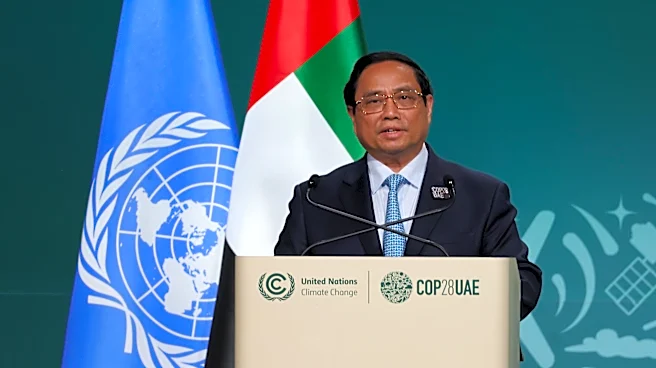
The American Institute of Architects (AIA) is sending a delegation to participate in the UN Climate Change Conference (COP31) in Antalya, Türkiye, from November 9-20. The AIA aims to elevate architects as crucial partners in addressing climate change
through decarbonization, resilience, and regenerative design. This conference serves as a global platform for the AIA to highlight the architectural profession's leadership in reducing building-sector emissions, adapting communities to climate impacts, and advancing initiatives such as the 2030 Commitment, the Disaster Risk Reduction and Resilience Pledge, and the Materials Pledge. The AIA emphasizes that climate action must deliver measurable results for people, communities, and the planet, and architects play a vital role in translating global ambitions into tangible actions. The delegation will participate in several COP31 events, focusing on topics like shifting from intention to action in resilience, passive-first cooling strategies for cities, the value case for retrofitting for resilience, and scaling built environments for global regeneration. These discussions will explore how design can create resilient, regenerative places that can withstand shocks, adapt to change, and emerge stronger.
Why It's Important?
The AIA's participation at COP31 underscores the critical role of the architectural profession in combating climate change and fostering sustainable development. By advocating for decarbonization, resilience, and regenerative design, the AIA aims to influence global policy and practice in the built environment. This is significant because buildings are major contributors to greenhouse gas emissions, and their design and construction have a profound impact on energy consumption and resource use. Promoting resilient design helps communities better withstand and recover from climate-related disasters, which are becoming more frequent and intense. Regenerative design goes a step further, aiming to create buildings and communities that actively improve ecosystems and human well-being. The AIA's efforts at COP31 can lead to broader adoption of these principles, potentially reducing the environmental footprint of the built environment, enhancing community safety, and driving innovation in sustainable construction practices across the U.S. and globally. This advocacy also highlights the economic benefits of resilient infrastructure, such as reduced long-term costs from disaster recovery and increased property values in well-adapted communities.
What's Next?
Following COP31, the AIA will likely continue to integrate the insights and commitments from the conference into its ongoing advocacy efforts and member programs. This could involve developing new resources, guidelines, and educational initiatives for architects to implement decarbonization, resilience, and regenerative design principles in their projects. The AIA may also strengthen collaborations with policymakers, industry partners, and other professional organizations to push for more supportive regulations and incentives for sustainable building practices. Domestically, this could translate into increased lobbying for federal and state policies that promote green building codes, climate-resilient infrastructure investments, and funding for research and development in sustainable architecture. Internationally, the AIA's participation could foster greater knowledge exchange and collaboration with global architectural bodies, leading to shared best practices and a more unified approach to addressing climate change through the built environment. The focus will be on moving from commitments to measurable implementation, ensuring that architectural solutions contribute tangibly to climate goals.
Beyond the Headlines
The AIA's advocacy for regenerative design at COP31 signals a deeper shift in the architectural paradigm, moving beyond mere sustainability to a more holistic approach that seeks to actively restore and enhance ecological and social systems. This involves not just minimizing harm but creating positive impacts, such as improving biodiversity, enhancing water cycles, and fostering healthier human environments. This shift has profound ethical implications, as it redefines the architect's responsibility from simply designing structures to stewarding the environment and community well-being. Legally, this could lead to new regulatory frameworks that mandate regenerative practices, potentially transforming building codes and zoning laws. Culturally, it could foster a greater appreciation for buildings that are integrated with nature and contribute to ecological health, influencing public perception and demand for such designs. In the long term, this could trigger a fundamental re-evaluation of how urban and rural environments are planned, designed, and constructed, leading to more resilient, equitable, and ecologically vibrant communities.