







What's Happening?
Nikhaule Cowee Shawtswell, an Arizona resident, has initiated a maritime personal injury lawsuit against Royal Caribbean Cruises, Ltd. in the Southern District of Florida. The lawsuit, filed under Case No. 1:26-cv-27647-RKA, alleges that Shawtswell sustained
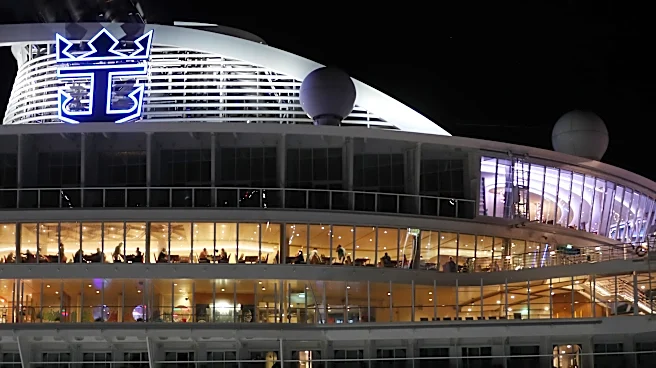
severe injuries after slipping on a clear liquid in the Windjammer buffet area aboard the Oasis of the Seas on October 31, 2025. According to the complaint, the incident occurred around 3:30 p.m. when the plaintiff encountered an unmarked, slippery liquid on the floor. The lawsuit claims there were no wet floor signs, warning barricades, or immediate crew intervention to alert passengers to the hazard. Royal Caribbean is accused of failing to properly inspect, clean, maintain, and monitor the highly trafficked food service area. The complaint also notes that a crew member was reportedly in the vicinity with a bucket at the time of the fall, raising questions about the cruise line's awareness of the dangerous condition. Shawtswell suffered severe injuries to her right hip, calf, and knee, requiring shipboard medical care and subsequent shore-side treatment, including diagnostic imaging and physical therapy.
Why It's Important?
This lawsuit highlights the significant legal responsibilities cruise lines bear under maritime law to ensure passenger safety. Cruise operators have a duty of reasonable care to protect fare-paying passengers from foreseeable harm, including promptly addressing and warning about hazards like liquid spills. The case underscores the importance of strict adherence to safety protocols in high-traffic areas, particularly in dining venues where spills are common. A ruling in favor of the plaintiff could reinforce the legal precedent for cruise lines to implement more rigorous inspection, maintenance, and staff training procedures. Conversely, if Royal Caribbean successfully defends against the claims, it could influence how similar slip-and-fall cases are approached in maritime law. The outcome will be closely watched by both the cruise industry and personal injury lawyers, as it could impact future litigation strategies and operational safety standards across the sector. For passengers, it serves as a reminder of their rights and the legal avenues available when injuries occur due to alleged negligence.
What's Next?
The lawsuit will proceed through the U.S. legal system, likely involving discovery phases where both parties will gather evidence, including maintenance logs, crew statements, and medical records. Royal Caribbean will be expected to file a response to the complaint, either denying the allegations or presenting its defense. The legal process may involve depositions, expert witness testimonies, and potentially mediation attempts to reach a settlement. If a settlement is not reached, the case could proceed to trial in the Southern District of Florida. The court will assess whether Royal Caribbean breached its duty of care and if that breach directly caused the plaintiff's injuries. The plaintiff is seeking damages for past and future medical expenses, pain and suffering, physical impairment, and loss of enjoyment of life. The resolution of this case could take several months to years, depending on the complexity of the evidence and the willingness of both parties to negotiate.
Beyond the Headlines
This incident delves into broader implications concerning corporate accountability within the cruise industry and the challenges passengers face when seeking redress for injuries sustained at sea. Maritime law, which governs such cases, often presents unique complexities compared to land-based personal injury claims, including specific statutes of limitations and jurisdiction rules. The lawsuit's allegations of systemic negligence regarding staff training and supervision suggest a potential deeper issue beyond a single incident, raising questions about the effectiveness of Royal Caribbean's internal safety management systems. If proven, such systemic failures could lead to increased scrutiny from regulatory bodies and consumer advocacy groups, potentially prompting industry-wide reviews of safety protocols. Furthermore, the case highlights the financial and personal toll that such injuries can inflict on individuals, impacting their quality of life and ability to participate in daily activities, underscoring the critical need for robust safety measures in all public-facing industries.