







What's Happening?
Senator Brian Schatz (D-HI) has introduced the Comprehensive Paid Leave for Federal Employees Act (S. 5168), which aims to provide federal employees with 12 weeks of paid leave per year for situations covered by the Family and Medical Leave Act (FMLA).
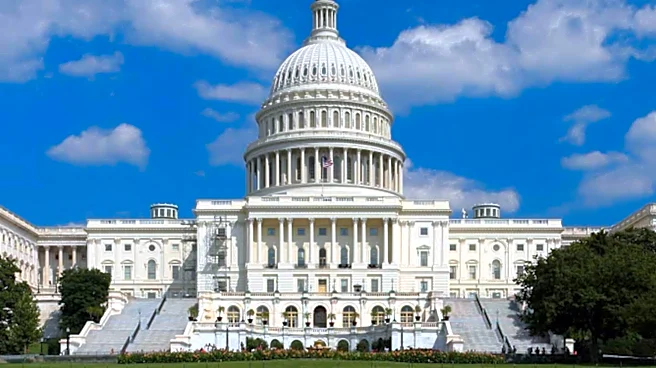
The bill, cosponsored by seven other senators, including Kirsten Gillibrand (D-NY) and Bernie Sanders (I-VT), was referred to the Senate Committee on Homeland Security and Governmental Affairs. This Senate bill mirrors a similar House bill introduced by Congressman Don Beyer (D-VA) in June. Both bills seek to supplement, not replace, existing leave options, and require employees to have at least 12 months of federal service to qualify. However, the Senate and House versions differ in certain provisions, such as coverage for survivors of domestic violence and other personal circumstances.
Why It's Important?
The proposed legislation is significant as it addresses the financial burden on federal employees who currently must choose between unpaid leave and job security under the FMLA. By providing paid leave, the bill aims to alleviate this burden, potentially improving employee retention and reducing turnover costs for the federal government. The bill's supporters argue that it could save the government at least $50 million annually in turnover and replacement costs. Additionally, the legislation could serve as a model for broader paid leave policies in the U.S., highlighting the ongoing debate over work-life balance and employee rights.
What's Next?
The bill faces challenges in the Senate, particularly in a Republican-controlled chamber. Previous versions of similar legislation have not reached a floor vote, indicating potential difficulties in gaining bipartisan support. The House version has some Republican backing, which may influence negotiations. As the legislative process unfolds, stakeholders, including federal employee unions and advocacy groups, are likely to lobby for or against the bill, depending on their interests.