


What's Happening?
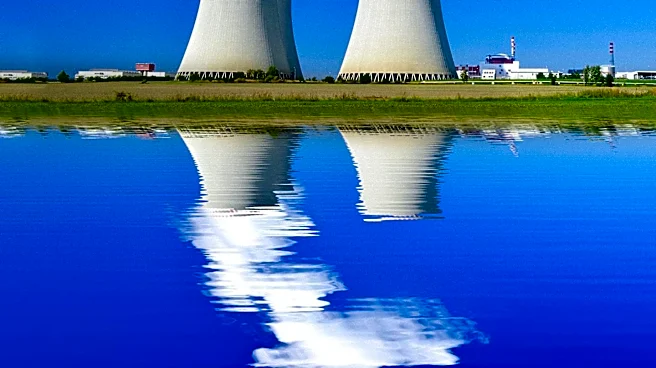
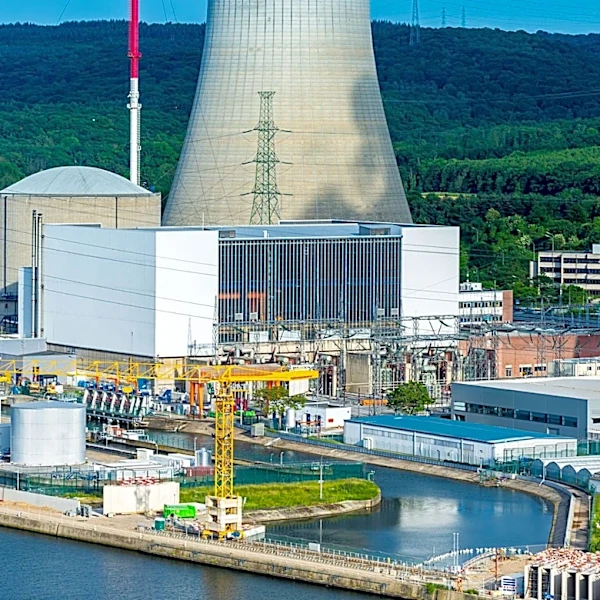
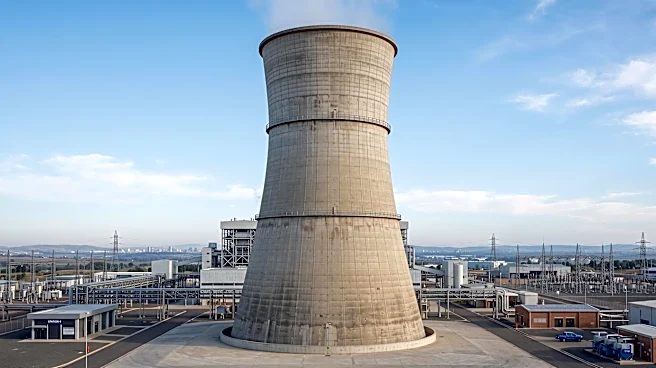
Researchers at the UCF Center for Advanced Turbomachinery and Energy Research (CATER) are exploring the use of thermal energy storage (TES) systems to address the operational challenges faced by nuclear power plants in modern electricity grids. Nuclear
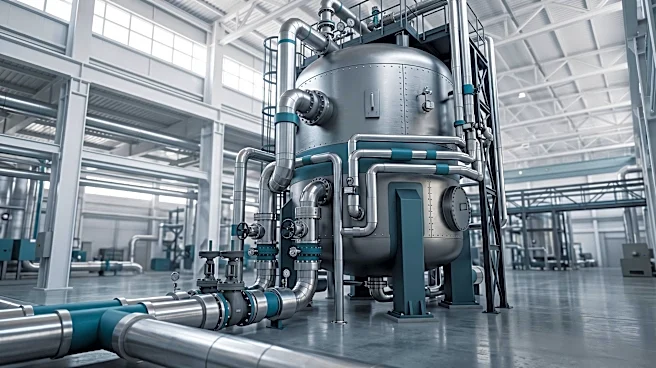
plants are designed for continuous, steady electricity production, but the increasing integration of fluctuating renewable energy sources necessitates greater flexibility. TES systems can absorb excess heat produced by a nuclear reactor and store it until needed, allowing nuclear plants to regulate the amount of heat sent to the grid. This enables them to operate more flexibly, pausing or reducing output when demand is low and releasing stored energy when demand and prices are high. The research, published in the Journal of Energy Resources Technology, combines thermodynamic modeling with an economic analysis to demonstrate how TES can improve the financial viability and operational flexibility of nuclear power plants, particularly molten salt reactors.
Why It's Important?
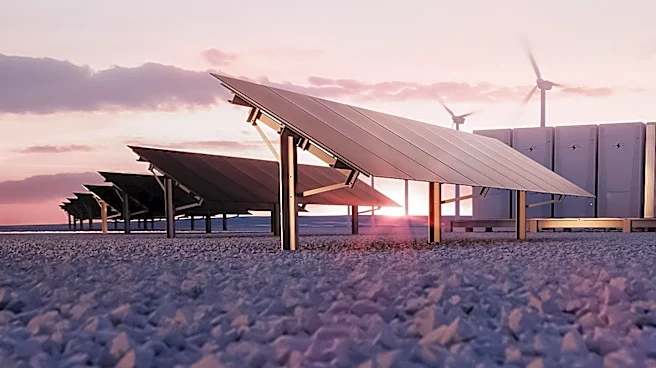
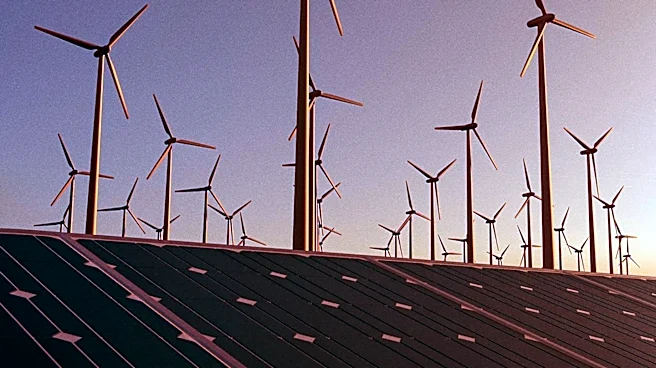
This research is important for the future of nuclear power in the U.S. and its role in a decarbonized energy grid. As renewable energy sources like solar and wind become more prevalent, the grid requires flexible baseload power that can adapt to demand fluctuations. Traditional nuclear plants struggle with this flexibility, often having to lower output inefficiently or produce power when it's not needed. TES systems offer a solution by allowing nuclear plants to operate at a steady, optimal pace while providing the grid with dispatchable power. This not only increases the value of the electricity produced by nuclear plants but also enhances grid stability and resilience. The integration of TES with next-generation nuclear reactors, such as molten salt reactors, presents an opportunity to create a more harmonious and efficient energy system that combines the reliability of nuclear with the environmental benefits of renewables.
What's Next?
The UCF researchers' findings suggest that TES integration could be a key component in the deployment of next-generation nuclear reactors in the U.S. over the coming years. The ongoing research will likely focus on further refining thermodynamic models and economic analyses to optimize TES system designs and operational strategies for various reactor types and grid conditions. The next steps could involve pilot projects or demonstrations to validate the theoretical benefits of TES in real-world nuclear power plant settings. Collaboration between research institutions, nuclear developers, and grid operators will be crucial to translate these findings into practical applications. As the U.S. continues to expand its renewable energy capacity, the demand for flexible and reliable baseload power will only increase, making solutions like TES for nuclear plants increasingly relevant.
Beyond the Headlines
The concept of integrating thermal energy storage with nuclear power plants goes beyond mere operational efficiency; it represents a paradigm shift in how nuclear energy can function within a dynamic, modern grid. This approach challenges the traditional view of nuclear as solely a baseload provider and positions it as a flexible, dispatchable energy source. This flexibility could unlock new revenue streams for nuclear operators and make nuclear power more economically competitive in markets with high renewable penetration. Furthermore, it could foster innovation in energy storage technologies, leading to advancements that benefit other sectors. The ethical implication lies in ensuring that these technological integrations maintain the highest safety standards, as the complexity of the system increases. Culturally, this could help reshape public perception of nuclear power, presenting it as a more adaptable and environmentally integrated solution rather than a rigid, standalone energy source.