



What's Happening?
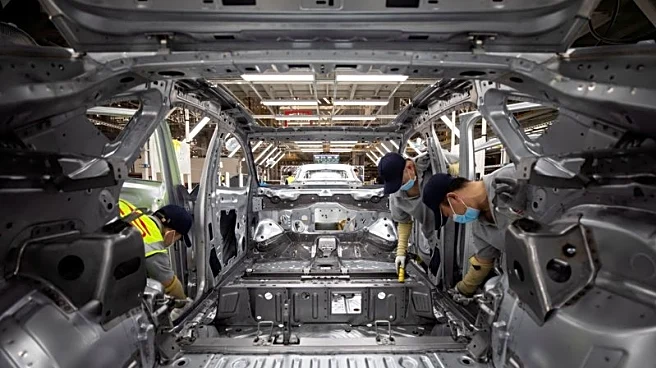
BYD, a leading Chinese new energy vehicle (NEV) manufacturer, reported a significant decline in sales for January 2026. The company sold 210,051 NEVs, marking a 30.11% decrease compared to the same month last year and a 50.04% drop from December 2025.
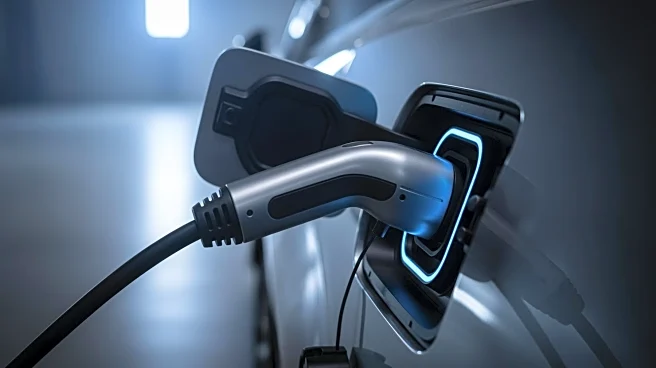
This decline is attributed to the introduction of a 5% purchase tax on NEVs in China, replacing the previous full exemption from a 10% rate. Additionally, the expiration of vehicle trade-in subsidies in several Chinese cities has contributed to the downturn. Despite these challenges, BYD's exports of NEVs increased by 51.47% year-on-year, although they fell by 24.55% from the previous month. The company also reported a 30.15% year-on-year increase in power battery and energy storage battery installations, despite a 26.20% decrease from December.
Why It's Important?
The decline in BYD's NEV sales highlights the broader challenges facing the automotive industry in China, particularly as government incentives are scaled back. The introduction of a purchase tax and the expiration of subsidies could slow the adoption of NEVs, impacting manufacturers and potentially leading to a shift in market dynamics. For U.S. stakeholders, this development is significant as it may influence global supply chains and competitive dynamics in the electric vehicle market. U.S. automakers, who are also investing heavily in EVs, may need to reassess their strategies in light of changing market conditions in China, a key player in the global automotive industry.
What's Next?
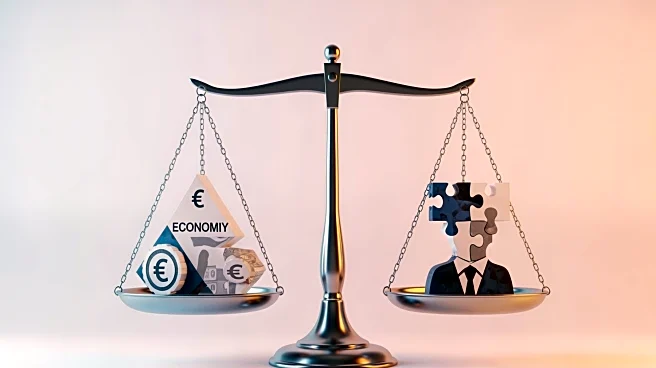
As China navigates this transitional phase, it is likely that the government will continue to adjust its policies to balance market growth with fiscal sustainability. For BYD, the focus may shift towards increasing overseas sales, as indicated by their target of 1.3 million overseas vehicle sales in 2026. This could lead to increased competition in international markets, including the U.S., where automakers are also vying for a share of the growing EV market. Stakeholders will be closely monitoring policy adjustments and market responses in China to gauge the long-term impact on the global automotive industry.
Beyond the Headlines
The reduction in government incentives for NEVs in China may prompt manufacturers to innovate and reduce costs independently, potentially leading to advancements in technology and production efficiency. This shift could have long-term implications for the global automotive industry, as companies strive to maintain competitiveness without relying heavily on subsidies. Additionally, the environmental impact of reduced NEV sales could be a concern, as the transition to cleaner energy vehicles is crucial for addressing climate change.